
Here’s a fact about back pain that may bring you some comfort: it’s one of the most common musculoskeletal complaints in the world. Around 80% of people will have back pain at least once. So, if you’re suffering now, you probably aren’t the only one!
Of course, that thought does little to help if your back pain keeps you from performing day-to-day activities — as it often does. Back pain is often accompanied by mobility restrictions that make walking, rising from sitting, or bending over difficult. And if left untreated, it can sometimes lead to long-term pain and dysfunction.
At Aspen Ridge Physical Therapy, we know how debilitating back pain can be. Our team of dedicated physical therapists will help you understand the cause or causes of your back pain and work with you to develop a personalized treatment plan that will let you get back to the activities you love to do.
Call our clinic today to set up your initial consultation!
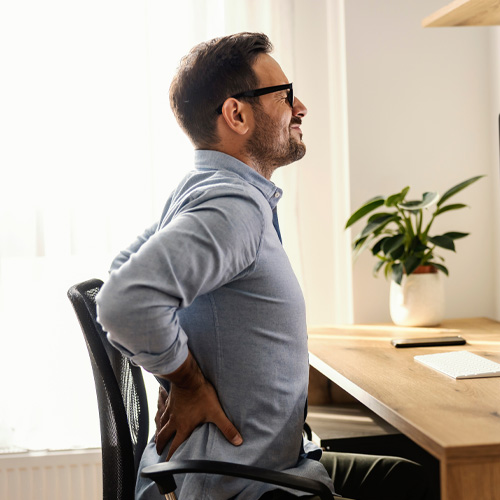
What Causes Back Pain?
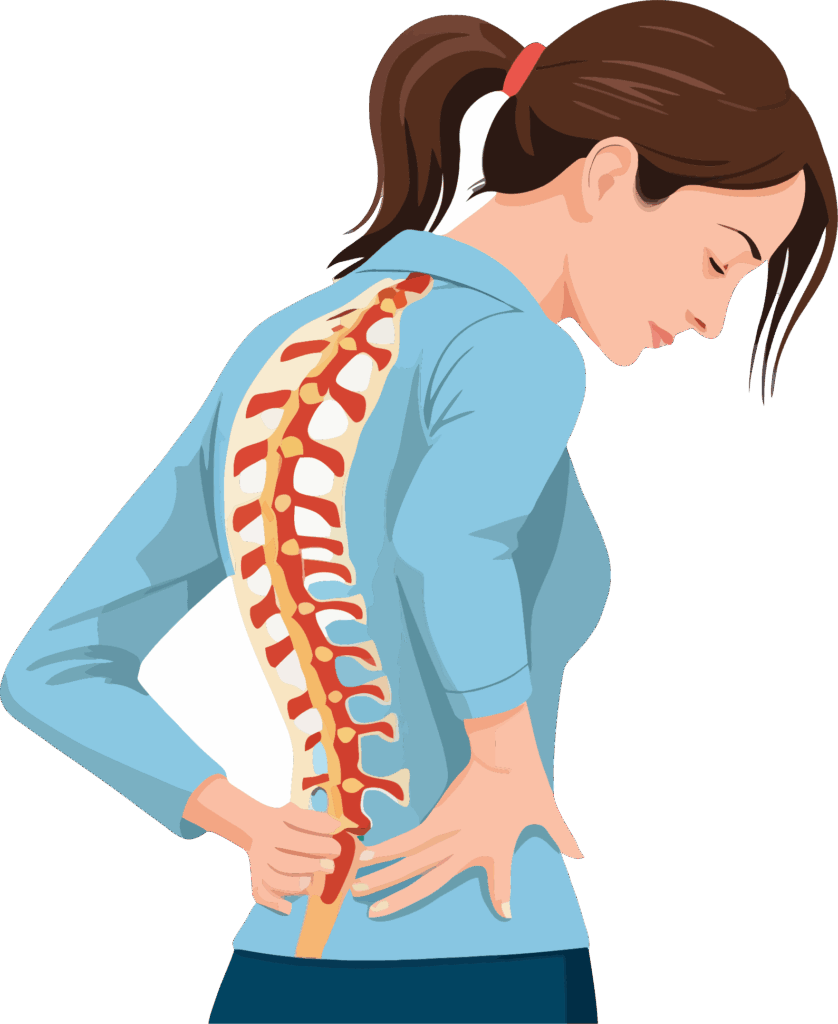
One of the reasons that back pain is so common is that it’s associated with several different injuries, underlying conditions, or lifestyle factors. That said, most back pain is non-specific, meaning it’s not caused by a specific disease or specific structural problem, but caused by mechanical issues. Mechanical issues are difficult to pinpoint and may include multiple tissues in and around the spinal joints.
The first step in treating your back pain is understanding what’s contributing to it. Our therapists will perform a comprehensive evaluation to help us learn as much as possible about your experience with back pain, including screening for any mobility limitations or weakness you’re struggling with.
Here are some of the more common sources of back pain that we see at our clinic:
- Strains and Sprains: A strain occurs when you injure the muscles in your back. A sprain occurs when you injure the ligaments that link your spinal vertebrae. Both can cause pain and limited mobility, and they often result from lifting with improper form (such as twisting while lifting) or attempting to lift something too heavy.
- Herniated Discs: Soft, flexible discs separate and cushion your spinal vertebrae. If one of those discs herniates — that is protrudes out — and irritates a nearby nerve, it can lead to intense pain, feeling “stuck” in a stooped over position, and often pain down the leg known as sciatica.
- Osteoarthritis: Osteoarthritis is the most common form of arthritis in the world, occurring when the cartilage and bone tissue in a joint degenerate and become inflamed. While we often associate it with the hips, knees, or hands, it can occur in the spine, too. Spinal osteoarthritis is sometimes called spondylosis.
- Lifestyle Factors: Several factors can contribute to lower back pain, including improper posture, prolonged sitting, or weakness in the muscles that wrap and support your spine (your core muscles).
Why Physical Therapy at Aspen Ridge Physical Therapy Is Your Back Pain Solution
While back pain often resolves on its own within 1-3 months, physical therapy is an excellent choice for people with particularly intense pain or extremely restrictive mobility. It’s also useful for people with chronic back pain — defined as pain that lingers past that three-month mark.
We customize all our back pain treatment plans according to your specific needs: the location and severity of your back pain, any mobility restrictions, your ability level, and overall goals. We’ll work to address the underlying issues causing your pain rather than simply masking the symptoms.
How will we do this? Through a blend of the following techniques:
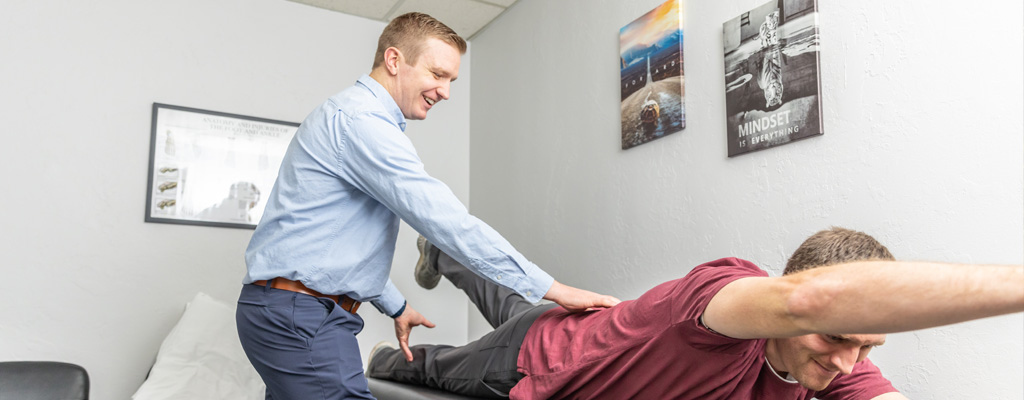
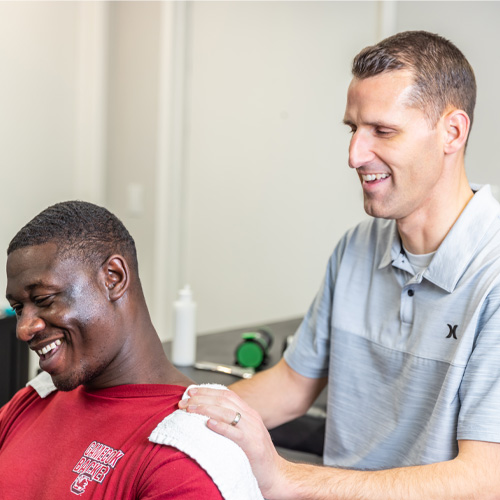
- Manual therapy helps manage pain, promote blood circulation, and improve mobility.
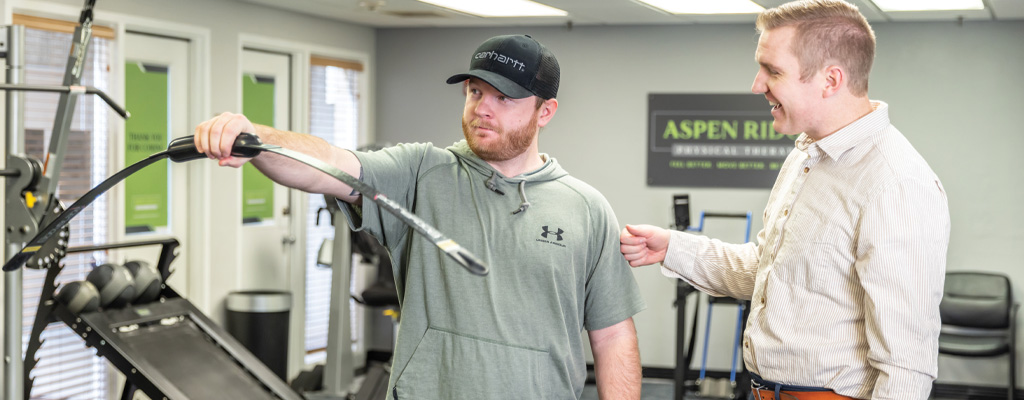
- A personalized therapeutic exercise plan improves the strength, flexibility, and endurance of your back and core muscles. Muscle weakness significantly contributes to lower back pain, so exercise is a must.
- Specialized training, such as proper techniques and activities that simulate functional movements you’ll need to perform (i.e., squats, lunges, lifting, etc.).
Prevention strategies help reduce future back pain incidents. These strategies might include postural corrections or suggestions for at-home exercises, such as a walking program or regular strength and mobility practice.

Get Moving Again with Physical Therapy!
Back pain is more than just pain. It can severely restrict your mobility, leading to less exercise and movement, further contributing to pain and dysfunction. The Aspen Ridge Physical Therapy team is here to help you break that cycle and find relief from back pain for good.
Call us today to schedule an appointment!
Your Success Is Our Priority!
Return to Aspen Ridge Physical Therapy and Let’s Continue Your Journey to Wellness Together. Schedule Your Appointment Now!
Exercise of the Month
STANDING LUMBAR SELF TRACTION
Stand near a countertop or sturdy surface. Place your hands on the edge and gently lean backward, allowing your spine to decompress. Hold briefly, then return to standing for gentle lower back relief.

Savor the perfect blend of hearty black beans, fresh veggies, and zesty seasonings in this delicious and nutritious vegetarian black bean taco recipe!
Enjoy This Healthy Recipe!
Vegetarian Black Bean Tacos
For the Beans:
- 1 tbsp olive oil
- ½ small yellow onion, diced
- 1 garlic clove, minced
- 1 15-oz can black beans
- ½ tsp cumin
- ¼ tsp smoked paprika
- 1/8 tsp cayenne pepper
- ½ tsp kosher salt
- Ground black pepper, to taste
- 1 tbsp tomato paste
- 1 tbsp water
For the Tacos:
- 8 hard corn taco shells
- 4 oz Hass avocado
- Juice from 1/2 small lime
- Pinch kosher salt
- Ground black pepper, to taste
- ½ cup shredded cheddar cheese
- 1 plum tomato, diced
- 1 cup shredded romaine lettuce
Preheat oven according to taco shell package directions. Lay taco shells on a sheet pan in an even layer. Bake shells for 6-7 minutes. Meanwhile, heat a large skillet over medium heat. Add the canola oil, add the onion and sauté for 2-3 minutes. Add the garlic and sauté for 30 seconds. Add the beans, spices, tomato paste and water and mix until combined. Cook about 3 minutes to allow flavors to meld and beans to heat through. In a small bowl, mash avocado with a fork until smooth. Add lime juice, salt and pepper. Place taco shells on a flat surface. Layer each shell with 1/8 of the bean mixture, then the cheese, mashed avocado, tomatoes and lettuce.
Thank you for subscribing
to Aspen Ridge Physical Therapy
Follow Us on Social Media!

Tips for Planting a Potted Herb Garden
Have you been wanting to get into gardening, but don’t have the yard space? Consider planting a potted herb garden!
Container gardening is easy, convenient, and leaves you with a supply of beautiful fresh herbs. Almost any herb can be grown in a container, so the possibilities are endless!
Here are a few tips and tricks to ensure your potted herb garden is successful this spring:
1. Be mindful of what you plant.
One of the exciting things about a potted herb garden is that you can grow as many different types of herbs as you want in the same container. However, before you start planting, be sure to do some research on the sun, water, and soil requirements of each herb.
For example, rosemary prefers hot and dry conditions, whereas parsley requires consistent moisture. As a result, they would not get along in the same pot.
2. Choose the right container.
As long as it has good drainage, you can use almost anything as an herb container. However, it’s important to be aware that using smaller pots means you need to be extra cautious in how much you water your herbs. Too much or too little water can be especially detrimental to an herb in a small pot.
3. Use high quality soil.
The best way to ensure a healthy start to your container garden is by using high quality soil. Container soil should be lighter in density than traditional garden soil. You can also add organic matter, like perlite or peat moss, to the mixture to improve drainage and moisture retention.
We hope you’re feeling ready to get started on your potted herb garden this spring. Remember to have fun and good luck!

Our Patients Get Great Results
“This was my first time going to physical therapy, and it was a wonderful experience! The staff is so fun, encouraging, and kind. I would recommend these ladies to anyone who wants to heal and have fun with it.“
— Lucy B.
Share Your Success Story

Your journey to recovery is important to us, and we’re proud to have been a part of it! If Aspen Ridge Physical Therapy has helped you feel stronger, move better, or get back to doing what you love, we’d be honored if you shared your experience in a Google review. Your story could encourage someone else to take the first step toward healing!