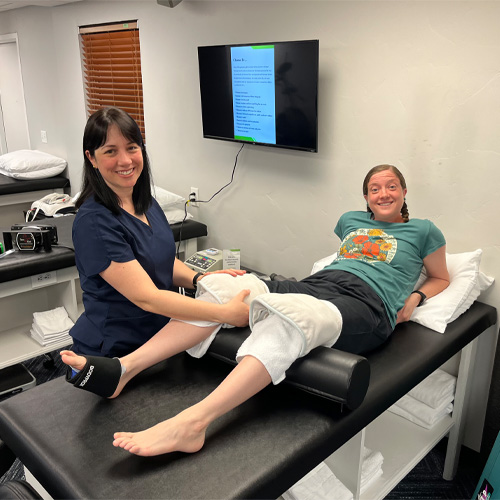
Did you know that for a lot of people, their knee pain is not actually due to a problem with the knee, but one with the hip? At Aspen Ridge Physical Therapy, we frequently observe that a problem originating in the hip can be first felt as knee pain and vice versa.
You might wonder how this is possible. The answer lies in what’s known as the kinetic chain, where the hip and knee joints work together. The interconnection means that an imbalance or dysfunction in one joint can lead to compensation and pain in the other. The good news is our therapists can help you figure out the source of your pain and, more importantly, guide you back to health.
To move towards a healthier, active life, we recommend you consult with one of our physical therapists as soon as possible!
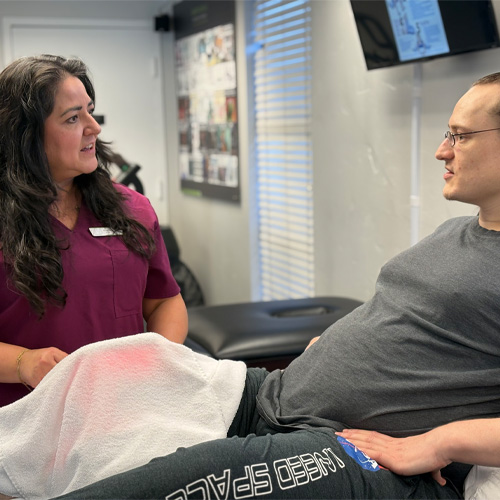
Your Guide to Recognizing the Signs and Symptoms of Hip and Knee Pain
At Aspen Ridge Physical Therapy, we believe in a holistic approach to healing. As musculoskeletal experts, we are trained to pinpoint the root cause of your condition, differentiate between hip and knee pain, and develop a plan that addresses the whole person, not just the symptom.
The Telltale Signs of Hip Pain
- Localized Discomfort and Stiffness: Hip pain generally starts as a localized discomfort in the groin area, often accompanied by stiffness restricting the range of motion. As the severity worsens, this pain can sometimes extend to the thigh and even the knee.
- Morning Stiffness: One of the most commonly reported symptoms is morning stiffness, which typically eases as the day progresses.
- Difficulty in Performing Daily Activities: Individuals with hip pain often find it challenging to bend over to tie shoes or pick up objects from the floor. This pain can intensify during movements like getting up from a seated position or walking uphill.
Classic Indicators of Knee Pain
- Localized Pain and Swelling: A primary indicator of knee issues is localized pain, often accompanied by swelling. This can be especially noticeable after prolonged periods of activity.
- Stiffness and Reduced Range of Motion: Another hallmark of knee pain is stiffness, which often restricts the knee’s range of motion.
- Popping or Crunching Noises: Experiencing popping or crunching noises during knee movement is a sign that shouldn’t be ignored, as these sounds often signify underlying knee issues.
- Difficulty in Bearing Weight: A large number of individuals with knee pain report difficulty bearing weight on the affected knee. This is often described as a feeling of weakness or instability, making activities such as climbing stairs or even simple walking difficult.
While interconnected, the hip and knee are distinct structures with unique roles in our body’s movement and different responsibilities. Understanding these differences is vital in diagnosing and treating pain effectively. This is where the expertise of our physical therapists can help!
Navigating the Path to Recovery with Aspen Ridge Physical Therapy Therapy
At Aspen Ridge Physical Therapy, our physical therapists will conduct a comprehensive evaluation, and distinguish whether you’re dealing with an issue in your hip, knee, or both.
After completing the evaluation, we’ll design a program focusing on the actionable steps you can take to ensure long-term relief and prevention of future injuries, including the following:
- Tailored Therapeutic Exercises: Our therapists will provide you with stretching and strengthening exercises to help restore your mobility and function. For example, eccentric training focuses on elongating a muscle under tension, proving particularly effective in strengthening muscles and improving mobility.
- Neuromuscular Re-education: This involves using exercises and manual techniques to restore normal muscle function and movement patterns. These techniques are especially effective in reducing pain and enhancing function, especially in individuals with hip and knee pain.
Our therapists go beyond the surface, digging deep into your symptoms to identify the underlying issues and determine the true origin of your pain, whether the hip, the knee, or both. Our goal is to build a program that helps you get back to living your best life!
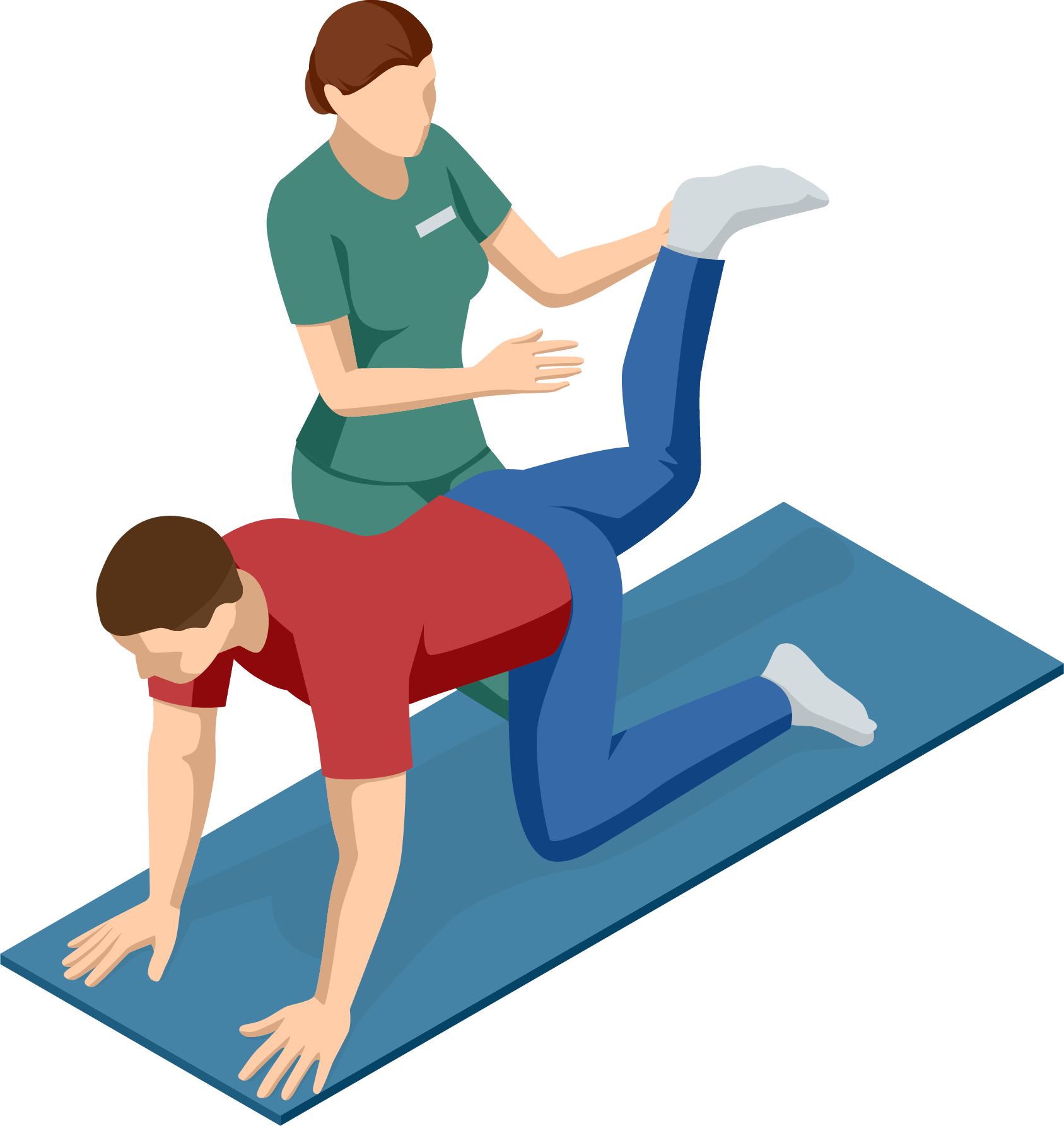
Follow These Simple Steps to a Pain-Free Life
Are you ready to embrace a lifestyle that promises better mobility and less pain? At Aspen Ridge Physical Therapy, we are here to guide you every step of the way, fostering a future where you feel better, move better, and live better!
Call today to schedule an appointment!

Your Success Is Our Priority!
Return to Aspen Ridge Physical Therapy and Let’s Continue Your Journey to Wellness Together. Schedule Your Appointment Now!
Exercise of the Month
CLAMSHELLS (EXERCISE BAND)
Lie on your side with knees bent and a resistance band around your thighs. Keeping feet together, lift your top knee without rotating your hips. Lower slowly and repeat to target the outer hips and glutes.

Fire up the grill and savor the fresh, vibrant flavors of this Simple Grilled Salmon & Vegetables recipe. It’s a healthy, delicious way to enjoy a fuss-free meal packed with nutrients and taste!
Enjoy This Healthy Recipe!
Simple Grilled Salmon & Vegetables
- 1 medium zucchini, halved lengthwise
- 2 red, orange and/or yellow bell peppers, trimmed, halved and seeded
- 1 medium red onion, cut into 1-inch wedges
- 1 tbsp extra-virgin olive oil
- ½ tsp salt, divided
- ½ tsp ground pepper
- 1¼ pounds salmon fillet, cut into 4 portions
- ¼ cup thinly sliced fresh basil
- 1 lemon, cut into 4 wedges
Preheat grill to medium-high. Brush zucchini, peppers and onion with oil and sprinkle with ¼ teaspoon salt. Sprinkle salmon with pepper and the remaining ¼ teaspoon salt. Place the vegetables and the salmon pieces, skin-side down, on the grill. Cook the vegetables, turning once or twice, until just tender and grill marks appear, 4 to 6 minutes per side. Cook the salmon, without turning, until it flakes when tested with a fork, 8 to 10 minutes. When cool enough to handle, roughly chop the vegetables and toss together in a large bowl. Remove the skin from the salmon fillets (if desired) and serve alongside the vegetables. Garnish each serving with 1 tablespoon basil and serve with a lemon wedge.
Thank you for subscribing
to Aspen Ridge Physical Therapy
Follow Us on Social Media!

4th of July Word Scramble
cemarai
elidtrncoaa
orkrfsiwe
ddieceenpenn
uraeecbb
beiyltr
Answer Key
america
declaration
fireworks
independence
barbecue
liberty

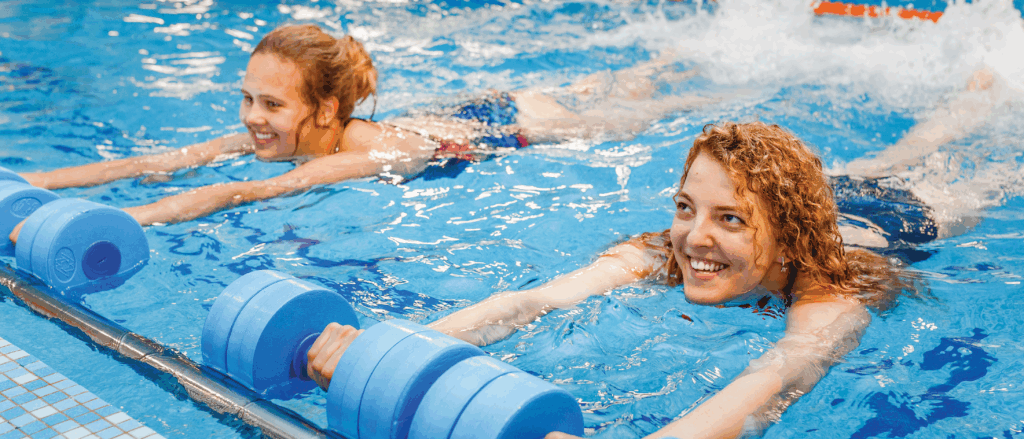
5 Pool Exercises For a Full-Body Workout
Exercising in water can provide a great full-body workout without some of the drawbacks of land-based exercises.
1. Walk in water. It targets your arms, core, and lower body. Keep your arms in the water and move them as you walk. Engage your core and stand tall.
2. Water arm lifts. Using foam dumbbells will help add more resistance. Stand in water up to your shoulders. Hold the dumbbells at your side, with your palms facing up. Draw your elbows in close to your torso as you lift your forearms to the height of the water. Rotate your wrists to turn your palms facedown. Lower your arms back to the starting position. Do 1-3 sets of 10-15 reps.
3. Lateral arm lifts. This exercise, which targets your upper body, is also best done with foam dumbbells. Stand in water up to your shoulders. Hold the dumbbells at your side. Raise your arms to the side until they’re level with the water and your shoulders. Lower your arms back down to your sides. Do 1-3 sets of 8-14 repetitions.
4. Back wall glide. This exercise helps to activate the muscles in your core and lower body. Hold onto the pool ledge, tuck your knees into your chest, and press your feet into the wall. Push off from the wall and float on your back as far as you can. Draw your knees into your chest, press your feet down to the bottom of the pool, and run back to the wall. Continue this exercise for 5-10 minutes.
5. Leg kicks. This exercise works the muscles in your core and legs. Use ankle weights to make it more challenging. Hold onto the pool ledge or hold a kickboard. Alternate flutter kicking, scissor kicking, breaststroke kicking, and dolphin kicking. Do each kick for 1-3 minutes.
Water workouts are an effective way to boost your cardio fitness while strengthening your major muscle groups, but as with any new exercise program, always speak to your physical therapist first. Contact Aspen Ridge Physical Therapy to see if aquatic exercise is right for you!
Our Patients Get Great Results
“I’ve spent 6 weeks of twice-a-week therapy coming to Aspen Ridge. The staff are attentive, kind, and efficient. Throughout my visits, they listened to my questions and feedback and quickly adjusted my treatment as I improved or experienced slower, localized progress.
Visits are typically up to 90 minutes long, and the majority is spent actively working on mobility and strength. There’s really no downtime, and every moment feels like it has a purpose. I had a personal regimen for every day at home, and spent the six weeks very engaged in a healing process.
I’ve regained my range of motion, and my pain has greatly reduced and seems to still becoming less. I’ve not had physical therapy before, but this has been a great experience.“
— Nathaniel R.
Share Your Success Story

Your journey to recovery is important to us, and we’re proud to have been a part of it! If Aspen Ridge Physical Therapy has helped you feel stronger, move better, or get back to doing what you love, we’d be honored if you shared your experience in a Google review. Your story could encourage someone else to take the first step toward healing!