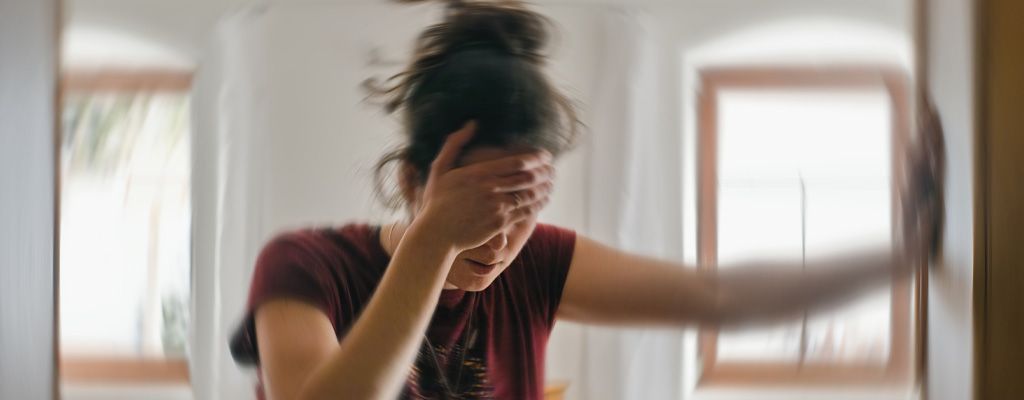

Lisa (not her real name) was tired of dealing with dizziness. Specifically, she was tired of dealing with vertigo, a spinning sensation that would suddenly hit her at seemingly random times throughout the day. The attacks made her wary of driving, and she worried she might fall and injure herself at home.
But then Lisa learned something interesting: physical therapy can help with vertigo and dizziness. She had some experience with PT, having gone through rehabilitation after a shoulder injury, but it never occurred to her that PT might be the solution to her issues with vertigo.
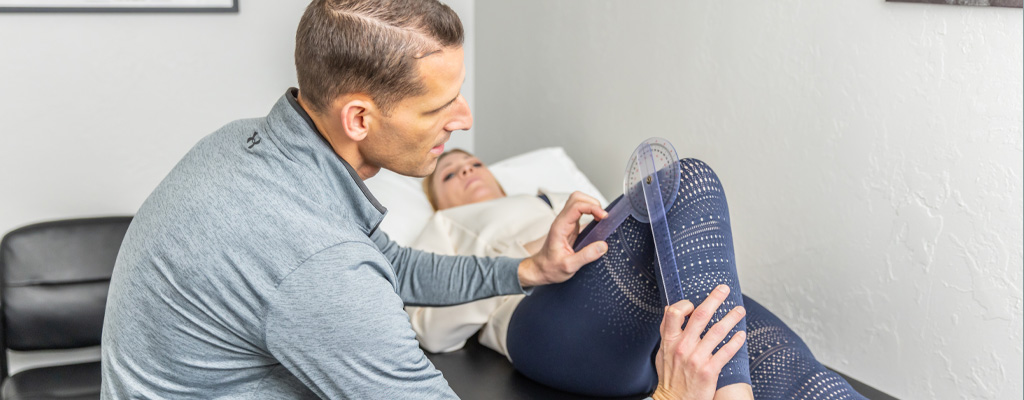
Eager for relief, Lisa made an appointment at Aspen Ridge Physical Therapy. We conducted a comprehensive assessment and found that she had BPPV (benign paroxysmal positional vertigo). It develops due to the buildup of tiny crystals in the inner ear, which interfere with the body’s vestibular system.
We helped Lisa understand that her vertigo attacks weren’t as random as she thought. Instead, they occurred due to specific head movements that jostled the crystals. We helped identify those movements and performed some hands-on maneuvers that dislodged the crystals so they could no longer cause symptoms.
Because vertigo (and sometimes even dizziness) has a vaguely hallucinatory quality, people are often surprised to discover that its origins are typically physical. Fortunately, because they’re physical, PT is an excellent choice for finding relief.
To learn more, call to schedule an appointment.
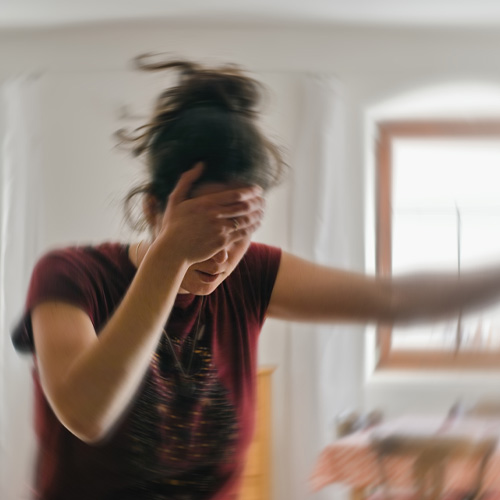
Why Do We Feel Dizziness and Vertigo, Anyway?
First, it’s important to understand that dizziness and vertigo are technically two different things.
Dizziness is an umbrella term that can refer to any feelings of lightheadedness or wooziness. Most of us have experienced dizziness: maybe you stood up too quickly or felt a headrush when you got off a roller coaster. It can have other causes, too, such as medication side effects or low blood sugar.
Vertigo is a type of dizziness. It refers to a particular sensation: that you or the room is spinning around even when you’re standing still. It typically stems from issues with your vestibular system, which controls your body’s sense of balance.
The vestibular system is primarily located in your inner ear, although parts are also in your cerebellum. Most people who experience vertigo have inner ear issues, whether BPPV (the most common cause of vertigo) or another underlying condition, such as Meniere’s disease.
In some cases, vertigo might stem from issues in your cerebellum, although those are rare.
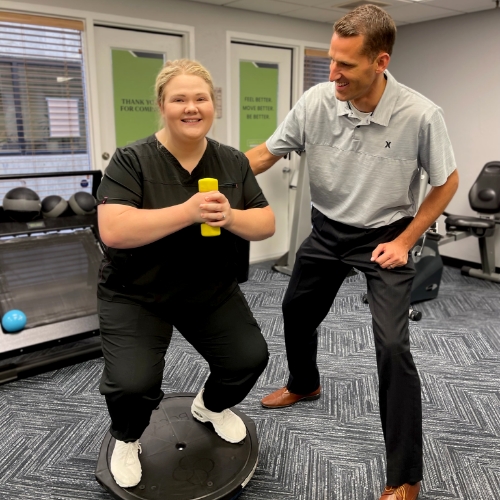
The Key Factor: A Personalized Approach
Physical therapy offers different options to help people manage their dizziness and vertigo. We always begin treatment with a comprehensive assessment to help us understand the root cause of your symptoms.
As with Lisa, we’ll also try pinpointing any triggers for dizziness or vertigo. By identifying these triggers, you can work to avoid them. For example, we can show you how to modify activities to reduce the likelihood of vertigo attacks. We’ll also perform specific movements and positions to restore inner ear function, just as we did with Lisa.
Another way we help people with dizziness and vertigo is through dedicated balance training. Vertigo can be unnerving, but it’s not usually dangerous in and of itself. Instead, the danger comes from an increased fall risk. Balance training helps improve your overall balance and stability through progressive balance challenges and strengthening exercises, especially in the core.

A Specialized Approach: Vestibular Rehabilitation
If your vertigo stems from an impairment in your vestibular system, we may suggest you begin a vestibular rehabilitation program. Vestibular rehab is a specialized type of physical therapy that focuses specifically on inner ear dysfunction. While your exact program will be personalized, it generally includes the following:
- Relaxation techniques to help you navigate a vertigo attack
- Habituation exercises that help you become accustomed to the vertigo sensations so that they lessen over time
- Vision exercises to improve your gaze stability, which often plays a role in vertigo symptoms
We’ll combine these specialized techniques with balance and conditioning exercises to ensure well-rounded treatment!

Can The World Stop Spinning?
Literally, no–but when you successfully manage dizziness and vertigo, it can certainly feel like it! Call Aspen Ridge Physical Therapy today to find out if you might benefit from physical therapy.
Exercise of the Month
HIP SLIDES
Start in a tall kneeling position with both knees on the floor and your hands resting on your hips. Shift your hips slowly to one side as if you’re trying to reach your hip toward your heel, then return to center. Repeat on the other side, moving in a smooth, controlled motion.
3 Sets, 10 Reps (each side). (Materials needed: floor mat)
Struggling with Pain? Start with Physical Therapy
If you’re dealing with muscle pain or joint stiffness, your first instinct might be to call up your doctor. However, you might actually be able to get care sooner by calling Aspen Ridge Physical Therapy instead.
Many people don’t realize it, but physical therapists can serve as primary care providers in Utah. This means you can see them directly for common muscle, joint, or movement concerns, skipping the (often unnecessary) physician’s appointment. And that means you can begin care–and find relief–sooner than you might have otherwise.
What Conditions Can We Treat?
Our physical therapists are trained to evaluate your symptoms, identify the likely cause of your pain, and determine whether physical therapy is the right treatment. We can also recognize signs of a more serious medical condition, in which case we’ll refer you to the appropriate healthcare provider.
That said, we can assess and treat several common complaints, including:
- Back and neck pain
- Shoulder, hip, knee, foot, and ankle pain
- Sports and work injuries
- Sprains and strains
- Balance problems and dizziness
- Arthritis and joint stiffness
- Recovery after surgery
The Benefits of Going Straight to Your PT
- Earlier evaluation and treatment for pain or injury
- Faster access to care without unnecessary delays
- Personalized treatment plans based on your goals
- Education to help you recover safely and reduce the risk of future injuries
Early Care Can Make All the Difference
At Aspen Ridge Physical Therapy, our team is committed to helping you feel heard from the moment you walk through the door. By serving as a first point of contact for a wide range of common orthopedic conditions, we can help you begin the right care sooner so you can get back to the activities you enjoy with greater confidence.

Ingredients
- 1 (32-ounce) can whole tomatoes, drained
- 1 cup fresh basil leaves
- 4 tablespoons extra-virgin olive oil
- 6 cloves garlic, peeled
- Kosher salt
- Freshly ground black pepper
- 2 large French baguettes, sliced into 1-inch slices (about 36 slices)
- 1½ pounds fresh mozzarella cheese, sliced ¼-inch thick
Directions
- Preheat oven to 375°F.
- In a food processor, combine the drained tomatoes, basil, olive oil, and 2 garlic cloves. Pulse until smooth but still slightly chunky.
- Season the tomato mixture with kosher salt and freshly ground black pepper.
- Arrange the baguette slices on a baking sheet and toast for about 3 minutes.
- Rub the toasted side of each slice with the remaining garlic cloves.
- Top each slice with a piece of fresh mozzarella and return to the oven for about 45 seconds, just until the cheese softens.
- Spoon about 1 tablespoon of the tomato mixture onto each slice.
- Transfer to a serving platter, garnish with fresh basil leaves, and serve immediately.
Follow Us on Social Media!

Kids Heading Back to School? Prevent Backpack Back Pain
Between laptops, tablets, and textbooks, heavy backpacks are a reality for students heading back to school this fall. When backpacks are worn incorrectly or overloaded, they can contribute to back pain—especially discomfort in the upper back and shoulders.
The good news? A few simple adjustments can help your child stay comfortable, improve posture, and start the school year feeling their best.
A Healthier Backpack Starts With Smart Habits
Proper backpack fit, lighter loads, and good posture habits can reduce unnecessary strain on your child’s growing spine and help prevent aches throughout the school year.
Find the Right Fit
Choose a backpack that fits your child properly. It should sit comfortably against their back and rest near the hips rather than hanging heavily from the shoulders.
Keep It Lightweight
A backpack should not exceed 10% of your child’s body weight. Use a scale to check that books, devices, and supplies are not creating unnecessary strain.
Encourage Good Posture
Teach your child to stand tall by lifting their chest upward and keeping their spine aligned for healthier posture throughout the day.
Help Your Child Start the Year Strong
Small changes can make a big difference when it comes to preventing backpack-related discomfort. If your child is experiencing back pain, poor posture, or difficulty keeping up with daily activities, contact Aspen Ridge Physical Therapy to schedule a personalized assessment and discover strategies to help them move comfortably and confidently all school year long.
Share Your Success Story
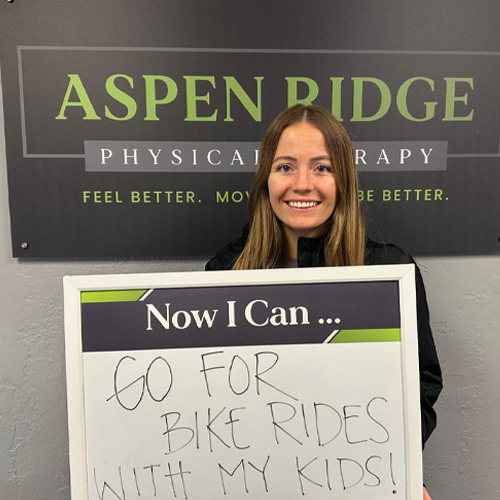
Your journey to recovery is important to us, and we’re proud to have been a part of it! If Aspen Ridge Physical Therapy has helped you feel stronger, move better, or get back to doing what you love, we’d be honored if you shared your experience in a Google review. Your story could encourage someone else to take the first step toward healing!
Nicholas H.
Aspen Ridge Patient
A Journey Worth Celebrating
“I have been attending PT at Aspen Ridge for 7 Months. I am sad to be all healed up and not getting to go hang out with these awesome people! If you need help with any sort of physical therapy, look no further than Aspen Ridge. #Stayhard”