a

What This Means for Your Health, Wellness, and Peace of Mind
If you’ve ever dealt with back pain or a sprained ankle, you know how frustrating it can be to seek care. Often, you have to wake for an appointment with your primary care physician, only to be sent elsewhere for actual treatment. In the meantime, you’re still suffering.
Well, we have some good news: Utah recently became a direct access state for physical therapy. You can now go directly to a licensed physical therapist, including Aspen Ridge Physical Therapy, for musculoskeletal pain or injuries without a doctor’s referral.
So, what exactly does this mean for you? Let’s break it down.
Answering Your Questions about Direct Access and Physical Therapy
Why is direct access such a big deal?
In the past, if you hurt your knee, sprained your ankle, or developed another musculoskeletal condition, you’d likely have to make an appointment with your doctor first. That visit often led to additional referrals, imaging, or medications before you could actually start physical therapy.
Now, you can go straight to a physical therapist as your first stop for musculoskeletal issues. That means faster care, fewer hoops to jump through, and more power in your hands regarding your health.
Why did Utah make this change?
Utah has a critical shortage of primary care providers, which means people in our state struggle to access primary care resources.
This new law now designates physical therapists as primary care providers for musculoskeletal conditions, which means two things:
- The healthcare system becomes more efficient by reducing unnecessary visits and allowing physicians to focus on other medical needs.
- You get musculoskeletal care faster, as you no longer have to wait for a referral.
What does it mean that physical therapists are now considered “primary care providers”?
This new designation officially recognizes that physical therapists can handle musculoskeletal care from start to finish:
- We’ll be your first point of contact for musculoskeletal pain, injury, or movement limitations.
- We’ll evaluate, diagnose, and treat most musculoskeletal conditions.
- We’ll refer you to other medical specialists if we find something outside our scope.
You might think of it this way:
- If you’ve suffered an injury, start with the Aspen Ridge Physical Therapy team.
- If you’re sick with an illness, visit your primary care doctor.
More Questions You May Have…
What kinds of problems can I see a physical therapist for?
You can come straight to physical therapy for the following conditions:
- Back and neck pain
- Shoulder, hip, knee, or ankle problems
- Sports or work-related injuries
- Postural issues and movement limitations
- Pre- and post-surgical rehab
- Arthritis or chronic pain
How does this benefit me as a patient?
This change benefits you immensely! Here’s how:
Faster Access to Care
- Because you no longer have to wait for a referral, you can get into physical therapy quickly, which often means better outcomes, like less risk of chronic pain and enhanced long-term function.
Lower Healthcare Costs
- Skipping unnecessary doctor visits, imaging, and medications saves you time and money.
Patient Empowerment
- Direct access gives you control over your own care, just like when you choose a dentist or optometrist.
Do I still need to worry about my insurance?
It’s important to recognize that the new direct access law means the state no longer requires a referral for physical therapy. Unfortunately, some healthcare plans may still require a physician referral to cover your PT treatment.
For that reason, always check the details of your specific insurance plan. At Aspen Ridge Physical Therapy, our team is always happy to help you navigate your insurance and make sure you’re maximizing your coverage.
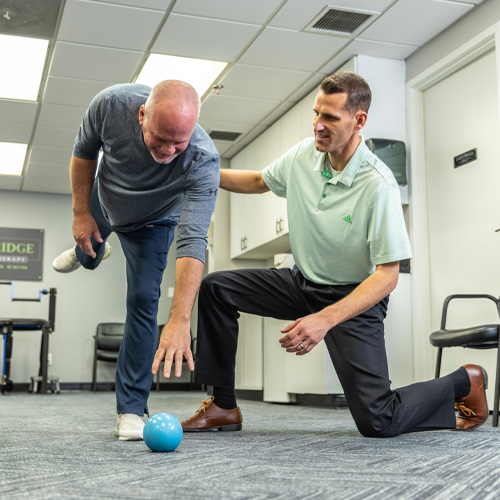
With Direct Access, You’re In Control
This new law could be life-changing for anyone living with pain, injury, or mobility issues. You save time, money, and energy by skipping the physician referral and coming directly to the team at Aspen Ridge Physical Therapy. You also skip the steps that can keep you from returning to the things you love in a timely manner.
At our clinic, we believe in putting patients first, and this new direct access model aligns perfectly with that mission. So if you’re hurting, don’t wait. Schedule an appointment today and take the first step toward recovery on your own terms.
Your Success Is Our Priority!
Return to Aspen Ridge Physical Therapy and Let’s Continue Your Journey to Wellness Together. Schedule Your Appointment Now!

Exercise of the Month
HAMSTRING SUPINE STRETCH
Start by lying on your back with both legs straight out. Loop a towel around your foot on the side you want to stretch. Keeping your leg
as straight as possible, pull it up into the air using the ends of the towel. Hold when you feel a stretch in the back of your leg. Hold for 30
seconds.
3 Sets, 1 Reps. (Materials needed: a towel)

Enjoy bold, satisfying flavors with this Mexican Cauliflower Rice Skillet Dinner—packed with spices, veggies, and protein for a guilt-free, one-pan meal. It’s a quick, healthy way to spice up your weeknight dinners without sacrificing taste!
Enjoy This Healthy Recipe!
Mexican Cauliflower Rice Skillet Dinner
- 1 lb ground beef
- 1/4 medium onion diced
- 1/2 red pepper diced
- 3 tbsp taco seasoning
- 1 cup diced tomatoes
- 12 ounces cauliflower rice
- 1/2 cup chicken broth
- 1 1/2 cups shredded Cheddar cheese or Mexican Blend
In a large skillet over medium heat, brown the ground beef until almost cooked through (just a little pink). Add the onion and pepper and continue to cook until no longer pink. Stir in the taco seasoning. Add the tomatoes and cauliflower rice and stir to combine. Stir in the broth and bring to a simmer. Reduce the heat to medium low and cook until the cauliflower rice begins to soften (8 to 10 minutes for frozen). Sprinkle the skillet with the cheese and cover. Let cook until the cheese is melted, 3 or 4 minutes. Remove from heat and top with your favorite toppings like sour cream, avocado, and chopped cilantro.
Thank you for subscribing
to Aspen Ridge Physical Therapy

Follow Us on Social Media!
September Word Scramble
tnuamu
plaep
uxqoien
olatbflo
ratesvh
caron
Answer Key
autumn
apple
equinox
football
harvest
acorn

3 Tips to Improve Nutrition in the Fall
What do you think of when you hear the word fall? Crisp refreshing days? Bonfires and changing leaves? Pumpkin carving? What if you were to focus on your nutrition this fall?
The food we eat has a significant impact on several elements of our health, particularly our heart health. Obesity, weight gain, physical inactivity, stress, high blood pressure, and high cholesterol all increase the risk of heart disease and other cancers.
Considering the importance of nutrition, it’s never the wrong time to think critically about your diet. At Aspen Ridge Physical Therapy, we know that fall can be busy, which is why we want to give you a few simple tips on how to improve your nutrition this season.
1. Try to eat more root vegetables
The majority of root vegetables are available all year, but they are most ripe from fall to spring. During the cooler months, garlic, onions, ginger, turnips, carrots, sweet potatoes, beets, and parsnips provide plenty of flavor and nutrients.
Many root vegetables are high in folate, which is essential for cell growth and metabolism!
2. Make a hearty soup
Making a large pot of soup every weekend is a great way to improve your nutrition throughout the week. Soups, while they can take several hours to cook, usually require very little active time.
When it comes to recipes to try, your options are virtually endless. There’s hearty bean soup, pureed root vegetable soup, winter squash soup, traditional chicken noodle soup, chili, and so much more! And with temperatures dropping, what tastes better than a warm stew?
3. Select leaner sources of protein
Did you know that regularly eating red meat and processed meat can raise the risk of type 2 diabetes, coronary heart disease, stroke and certain cancers?
So, instead of opting for red meat, select leaner sources of protein for your meals and recipes. This can include chicken, turkey, beans, lentils, low fat yogurt, fish, tofu, and nuts.
If you think you need a little more help developing a healthy diet this fall, contact Aspen Ridge Physical Therapy today. We can help you develop an exercise and nutrition plan that works for your needs.
Our Patients Get Great Results
“The crew at Aspen Ridge PT was amazing to say the least!! I have been working with them off and on for the last 7 months, both pre-surgery and then again post shoulder surgery. I will be returning here if I need PT again in a heartbeat!!! THANK YOU FOR EVERYTHING, MATT AND CREW!!!!“
— Jessica M.
Share Your Success Story
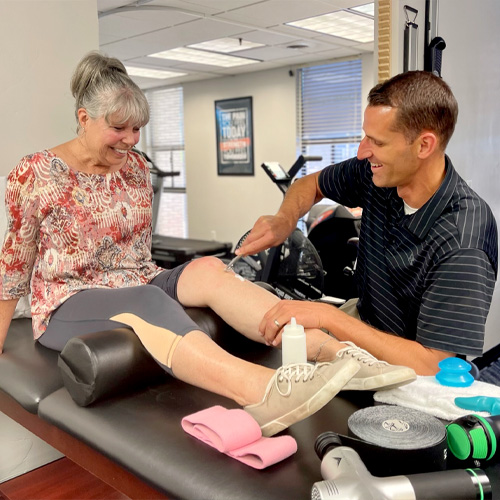
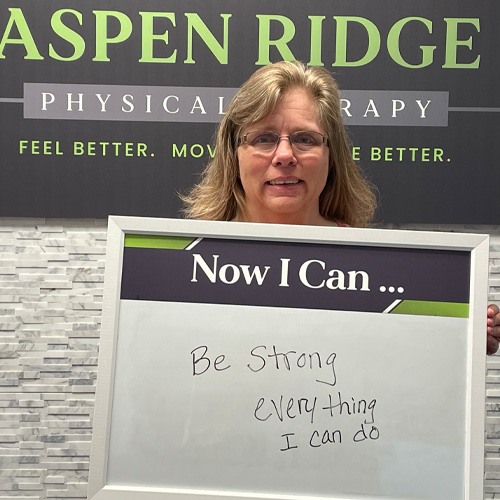
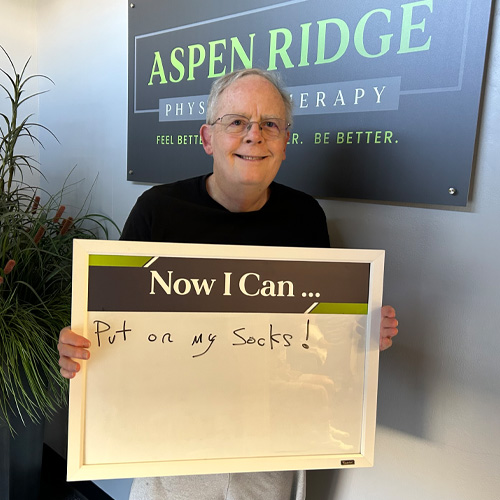
Your journey to recovery is important to us, and we’re proud to have been a part of it! If Aspen Ridge Physical Therapy has helped you feel stronger, move better, or get back to doing what you love, we’d be honored if you shared your experience in a Google review. Your story could encourage someone else to take the first step toward healing!