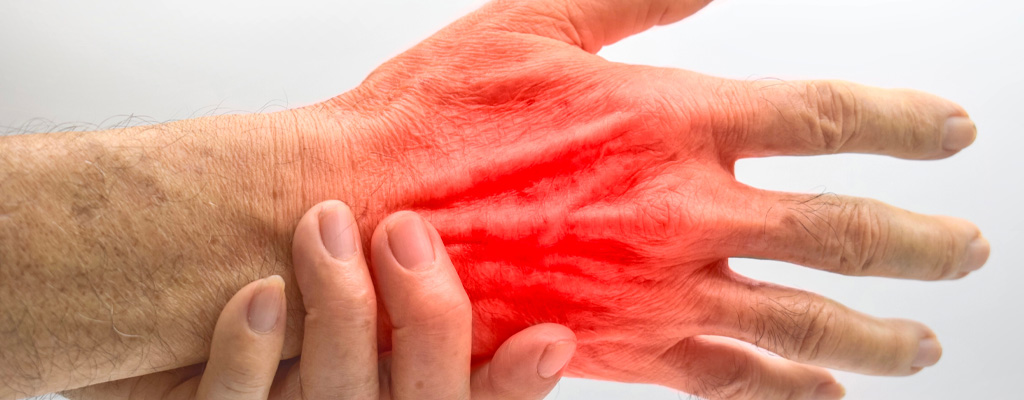
Does stress cause neck pain? The short answer is no! At Aspen Physical Therapy, we like to say “contributes to” instead of “causes.” The casual way healthcare professionals throw around terms can lead to confusion and, worse still, ineffective treatment. Fortunately, our highly skilled therapists know how to dig deep and find the root cause of your neck pain, and this information helps you find relief!
Let’s discuss Nicole, a 40-something-year-old working mother of three. Nicole was used to being very active, balancing her work schedule with getting her kids to all the various activities and school functions that come with being a mom nowadays.
Her neck pain first started as a crick in the neck when she woke up one morning. As the day progressed from driving her kids around to sitting at her desk, she noticed that turning her head became more difficult and painful, making focusing on work nearly impossible.
Nicole struggled to figure out why her neck started hurting and came to the conclusion that stress “must be” the culprit. The more pain and difficulty moving she had, the more convinced she was that stress was to blame.
Understanding Nicole’s Neck Pain
One of the most common things we hear from our patients is that their pain started for “no apparent reason.” Like Nicole, people will wake up with a crick in their neck or notice a stiffness turning when driving in the car. It is also common for people to notice tightness in their upper back and neck after a long day.
So, what is actually the source of the pain? In most cases, there is an issue with the neck joints or the neck muscles due to prolonged positions. Our neck joints don’t like remaining in any position for extended periods. In Nicole’s case, she first noticed her pain in the morning, which may have been related to her neck position while sleeping. It is also important to note that in Nicole’s case, the first sign of any issue was in the morning when she woke up, unrelated to stress.
As Nicole’s day progressed, her pain got worse. But this also was more likely related to how she held her neck while driving or sitting at her computer. In both cases, her posture, specifically how she held her neck, seems to have contributed to her pain. Prolonged sitting can lead to a forward head position, resulting in tension to soft tissue (i.e., muscles, tendons, and ligaments) or negative changes to our blood flow.
The muscles of our neck function best when we move them. So, holding her head in one position likely led to irritation of the muscles and affected her ability to move her neck, which in turn caused stress.
Stress “contributes” to neck pain because, when we experience stress, our bodies naturally respond by tensing up as a protective measure. This tension can lead to discomfort, particularly in the neck and upper back region. Research studies have found that individuals with higher stress levels reported increased neck pain as compared to those with lower stress levels. This is why we say “contributes” to, but not the cause of, neck pain.
How Physical Therapy Can Help Alleviate Neck Pain
We will target the source of your pain by performing a thorough examination, starting with your medical history and details about how, when, and where your symptoms began. As we saw with Nicole, determining how, when, and why the pain started helps us eliminate possibilities and get to the actual root cause(s).
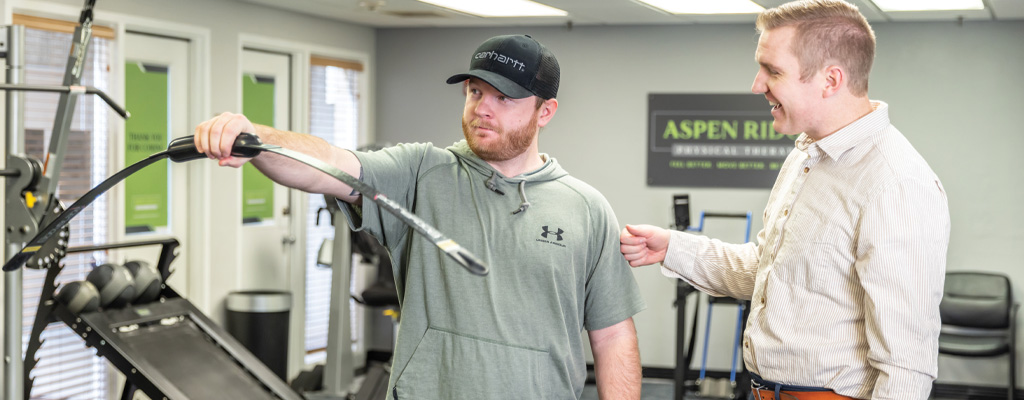
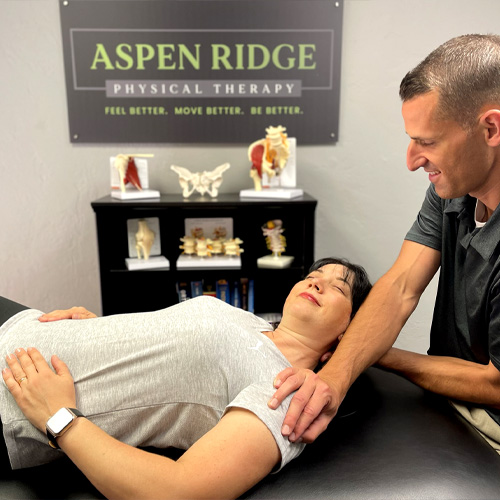
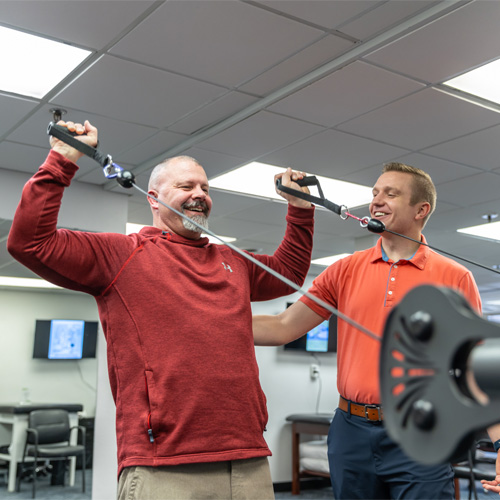
Our therapists will also analyze your posture and movement to identify any limitations or restrictions contributing to your condition. We’ll use this information to design a program that addresses your specific needs.
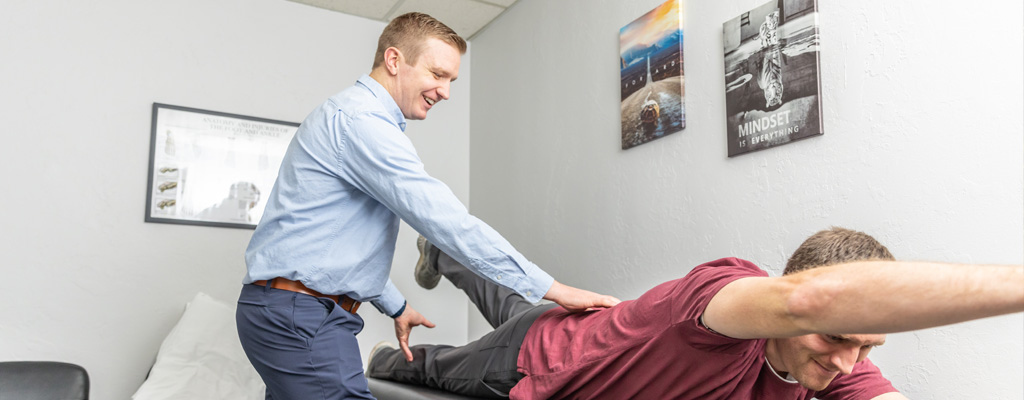
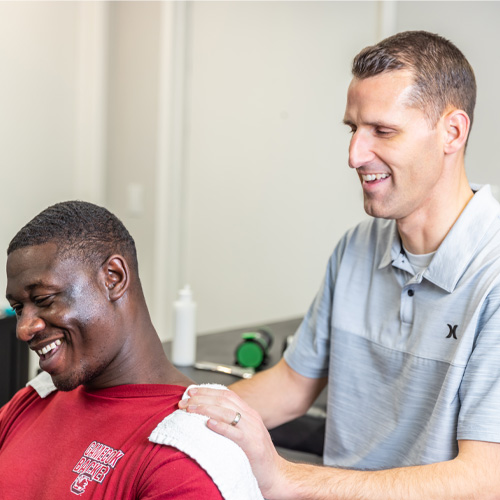
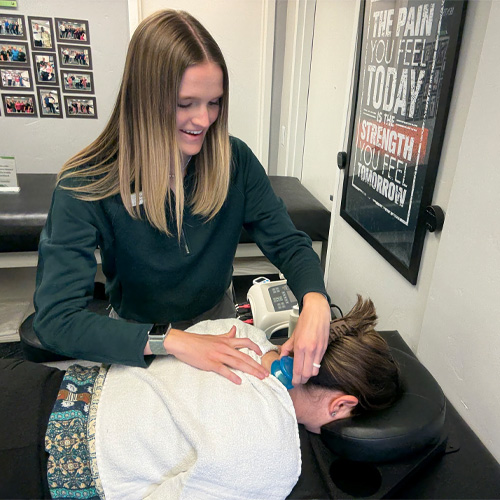
Our treatment plans focus on relieving your pain and improving your posture, mobility, strength, etc., and educating you about managing your symptoms. Your program will likely include manual therapy (i.e., soft tissue work and/or joint mobilizations), targeted stretches, exercises, activity modification, or posture recommendations.
We’ll listen to your unique situation and specific issues and then work to help you find relief and get back to your normal routine.
Dry Needling for Neck Pain Treatment
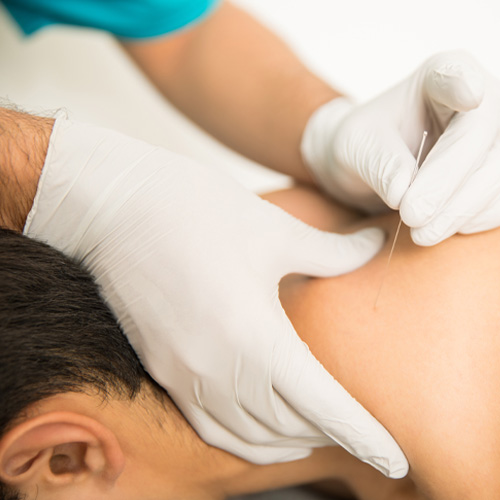
Dry needling, an advanced physical therapy technique, involves the insertion of a thin needle into a trigger point in your muscles. The technique is designed to stimulate the underlying myofascial trigger points and muscular and connective tissues, helping manage numerous pain and mobility issues.
Dry needling can be a game-changer in treating neck pain and a variety of other conditions, both acute and chronic. It can help to reduce pain and improve function, sometimes in cases where other treatment methods have failed. Studies have shown dry needling to be an effective treatment for reducing pain intensity, increasing motion range, and improving function.
Come in for an evaluation and see if dry needling is the right fit for you!
Book Your Appointment Today!
If you’re dealing with neck pain or looking for someone to help you figure out what is causing your issues, call us today and set up a consultation!
Your Success Is Our Priority!
Return to Aspen Ridge Physical Therapy and Let’s Continue Your Journey to Wellness Together. Schedule Your Appointment Now!
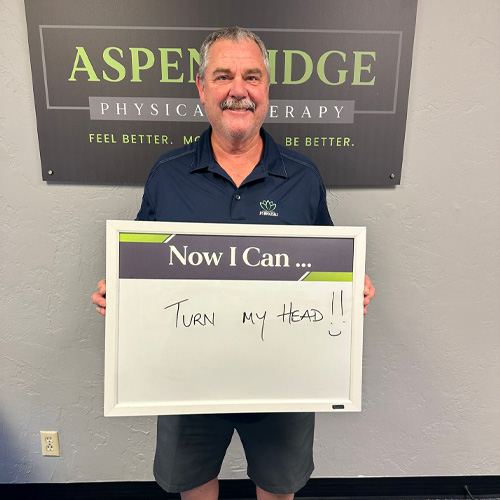
Exercise of the Month
Neck Glide
Sit or stand tall. Slowly slide your head straight back without tilting up or down, like you’re making a “double chin.” Hold briefly, then relax to improve neck posture and reduce tension.

Bright, zesty orange meets tart cranberries in this perfectly moist and flavorful Orange Cranberry Bread. It’s a delicious treat for breakfast, brunch, or a cozy afternoon snack!
Enjoy This Healthy Recipe!
Orange Cranberry Bread
- 2 cups white whole wheat flour
- 1/2 cup sugar
- 1 teaspoon baking powder
- 1/2 teaspoon baking soda
- 1/2 teaspoon salt
- 1 cup fresh cranberries
- 1 teaspoon orange zest
- 1/3 cup coconut oil, melted
- 3/4 cup fresh orange juice
- 1 egg
Grease an 8×4 inch loaf pan. Set aside. Preheat oven to 350° F. In a large bowl, add white whole wheat flour, sugar, baking powder, baking soda, salt, cranberries, and orange zest. Gently stir. In a separate medium-sized bowl, add coconut oil, fresh orange juice, and an egg. Add wet ingredients to dry ingredients. Stir to combine everything together. Scrape the batter into the prepared loaf pan. Bake for 30-35 minutes. Remove and let cool for 5 minutes. Serve and enjoy!
Thank you for subscribing
to Aspen Ridge Physical Therapy
Follow Us on Social Media!

August Word Scramble
laatrioenx
kbaracyd
mrmesu
aicgmnp
aryopunldg
fosrnwlue
Answer Key
relaxation
backyard
summer
camping
playground
sunflower

Kayaking and Paddleboarding with a Healthy Twist
For a safe and body-friendly kayaking or paddle boarding experience, keep these practical strategies in mind:
- Mindful Paddling: Prioritize good posture and technique. Engage your core, maintain a straight back, and use your legs to generate power. This distributes the effort evenly, reducing strain on your shoulders and back. Using proper form enhances your performance and safeguards against overuse injuries.
- Full-Body Effort: Think of kayaking and paddleboarding as whole-body workouts. Involve your legs, core, and back in every stroke, not just your arms. This balanced approach lessens the risk of muscle imbalances and discomfort.
By incorporating these principles into your water adventures, you’ll have a blast on the water and take care of your body. Kayaking and paddleboarding can be both enjoyable and body-friendly when you paddle smart.
Our Patients Get Great Results
“Aspen Ridge is such a good physical therapy clinic, I was so nervous going into it, and all of the aides are so lovely, welcoming, and reassuring. I would (and have) recommend anyone here for rehabilitation after an injury or surgery. 10/10 place, 10/10 people!“
— EmberLee L.
Share Your Success Story
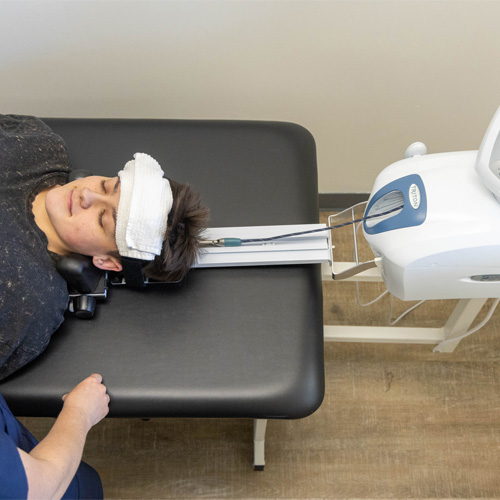
Your journey to recovery is important to us, and we’re proud to have been a part of it! If Aspen Ridge Physical Therapy has helped you feel stronger, move better, or get back to doing what you love, we’d be honored if you shared your experience in a Google review. Your story could encourage someone else to take the first step toward healing!