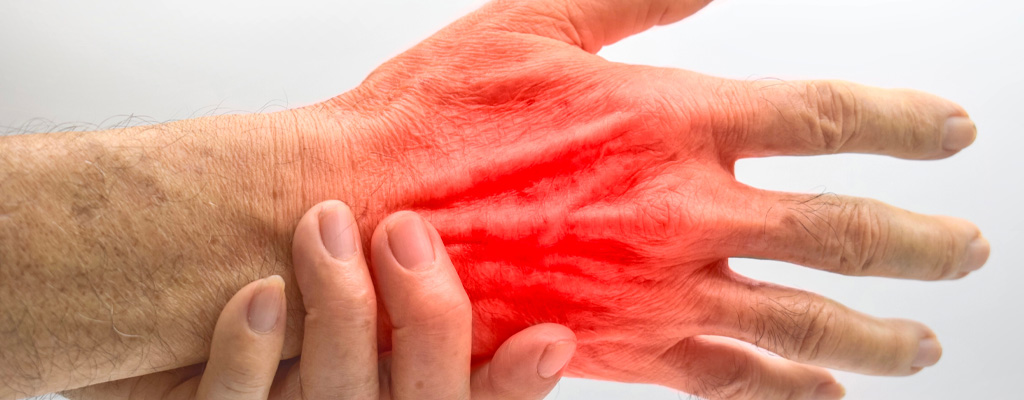
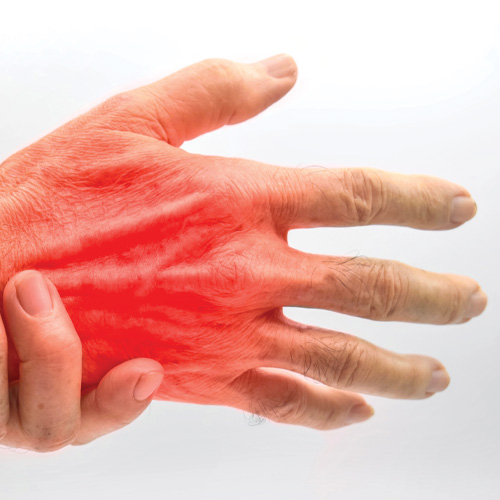
From eating meals to sending a text, your hands are a big part of your day-to-day life. That’s why it can be so frustrating when pain, stiffness, or weakness keeps them from being at their best!
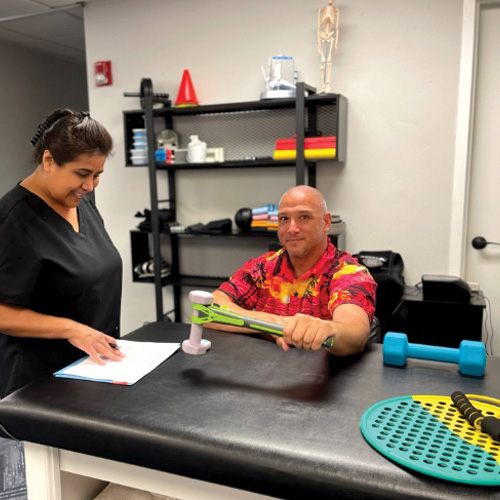
The good news is that hand therapy at Aspen Ridge Physical Therapy can help. With innovative treatment techniques and specialized training focused on the small, complex joints of the hand and wrist, our new hand therapist, Vanessa Alleruzzo, will get you back to the activities that matter most.
A Closer Look at Hand Therapy at Aspen Ridge Physical Therapy
Hand therapy is a specialized form of rehabilitation that focuses on the hand, wrist, elbow, and shoulder. These structures feature a complex blend of small joints, muscles, tendons, and nerves, which means injury to the area requires targeted treatment to restore function.
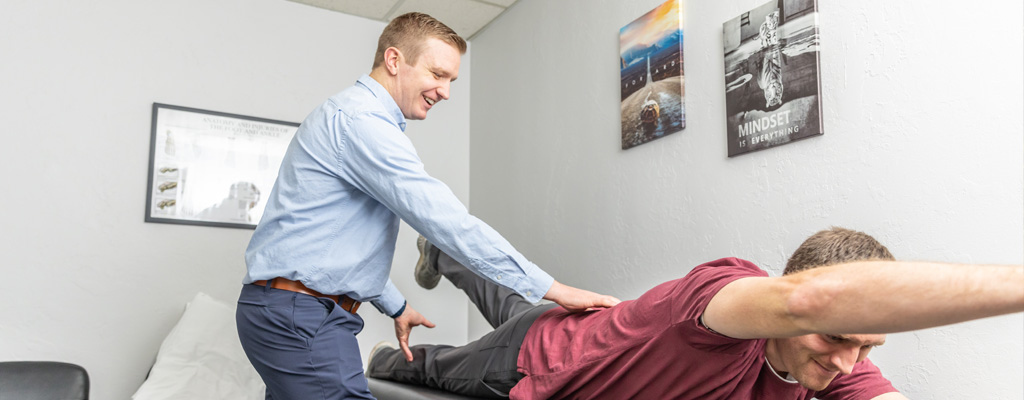
A hand therapist provides a variety of treatment techniques to improve movement, strength, and coordination, including:
- Hands-on manual therapy techniques that mobilize joints and soft tissue
- Scar tissue management to help surgical scars heal with better mobility
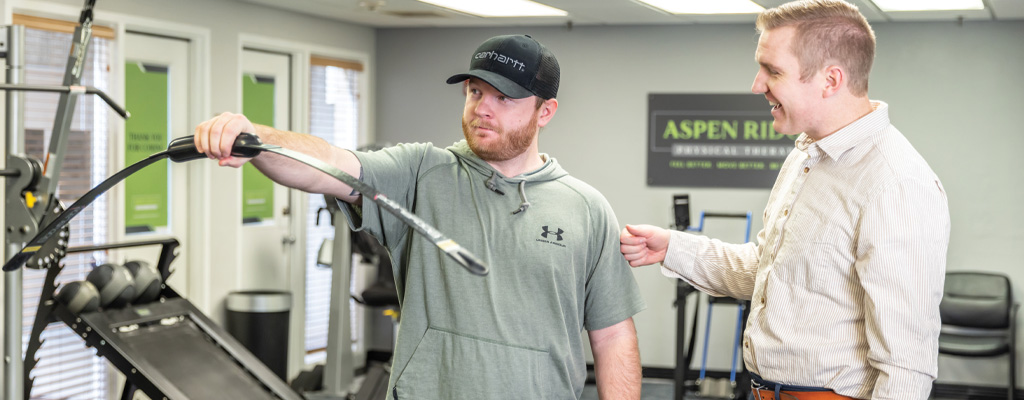
- Targeted exercises to help restore strength and dexterity
- Specialized movements to improve nerve mobility and reduce irritation
- Custom splints and braces that protect the affected area as it heals
Get to Know Our New Hand Therapist
We’re pleased to welcome Vanessa Alleruzzo, OTR, to the Aspen Ridge Physical Therapy team. Vanessa is an occupational therapist with extensive experience in upper-extremity rehabilitation. She began pursuing her Certified Hand Therapist (CHT) credential in 2017 after a clinical rotation that sparked her interest in treating hand and arm injuries.
When you work with Vanessa, you can expect:
- A thorough evaluation of your symptoms
- An individualized treatment plan blending hands-on techniques and targeted exercises
- Clear education about your condition
Outside the clinic, Vanessa enjoys outdoor adventures, snowboarding, yoga, and exploring new foods with her husband. She is excited to build relationships with patients and become part of our community.

Bringing Hand Therapy to the Cutting Edge
At Aspen Ridge Physical Therapy, we offer several advanced treatment techniques to help you find lasting relief. One that can play an important role in hand therapy is shockwave therapy. This technique uses acoustic sound waves delivered through a handheld device. They pass through the skin to stimulate your body’s natural healing processes.
Benefits of Shockwave Therapy
1. Stimulates Tissue Healing
2. Improves Blood Flow
3. Reduces Pain Signals
4. Breaks Up Calcifications
Combining Shockwave Therapy with Hand Therapy
Shockwave therapy works best when combined with targeted rehabilitation, such as:
- Guided strengthening exercises
- Tendon loading programs to rebuild tissue strength
- Joint mobility work
- Nerve mobility exercises
- Functional training for daily tasks
Our therapists will find the right combination of techniques to address your goals and diagnosis. This comprehensive approach can help you restore grip strength, improve fine motor control, and return to work, sports, or other important activities.
Take the First Step Toward Better Hand Function
Pain in your hands or wrists can make daily life harder than it should be, but the right treatment can restore movement, reduce pain, and help you get back to the activities you enjoy.
With the addition of our new hand therapist, Vanessa Alleruzzo, Aspen Ridge Physical Therapy is expanding its ability to provide specialized hand therapy, supported by advanced treatments such as shockwave therapy.
If you are experiencing hand, wrist, or elbow pain, we are here to help. Schedule an appointment today and start feeling better, moving better, and living better.
Your Success Is Our Priority!
Return to Aspen Ridge Physical Therapy and Let’s Continue Your Journey to Wellness Together. Schedule Your Appointment Now!
Exercise of the Month
MEDIAN NERVE GLIDE
Stand tall with your arm extended in front of you at shoulder height, palm facing up. Use your opposite hand to gently grasp your thumb. Slowly extend your wrist and fingers back. Return to the starting position with control. Perform the motion gently and smoothly.
3 Sets, 10 Reps (each arm).

These Smoked Salmon, Avocado, and Cucumber Bites are crisp, refreshing, and packed with rich, savory flavor in every bite. They make an elegant yet easy snack or appetizer that’s perfect for light, feel-good indulgence.
Enjoy This Healthy Recipe!
Smoked Salmon, Avocado and Cucumber Bites
- 1 medium cucumber
- 1 large avocado, peeled and pit removed
- 1/2 tbsp lime juice
- 6 oz smoked salmon
- chives, for garnish
- black pepper, for garnish
Slice the cucumber approximately 1/4-inch thick and lay flat on a serving plate. Add the avocado and lime juice to a bowl and use a fork to mash until creamy. Assemble the bites by spreading a small amount of avocado on each cucumber, then topping with a thin slice of smoked salmon. Garnish each bite with finely chopped chives and cracked black pepper. Serve immediately.
Follow Us on Social Media!

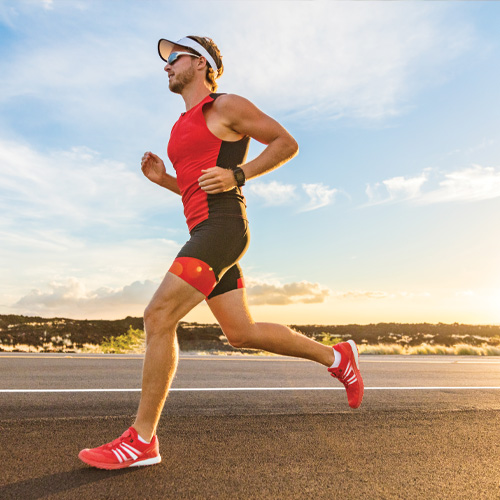
Spring Is Running Season! Are You In Your Best Shape?
Are you looking forward to starting running again after a long winter? At Aspen Ridge Physical Therapy, our therapists understand running injuries, and we will make sure you run pain-free this spring!
Runners are often misled into believing unproven solutions to avoiding pain and injury. Not many people know that the number-one risk factor for runners to sustain an injury is having had an injury in the last 12 months.
The other most common risk factors are:
- Running experience of 0–2 years
- Restarting running after extended rest
- Overtraining (i.e., more than 40 miles per week)
To ensure you can get back to running or increasing your mileage without pain or injury, start with an injury evaluation and a biomechanical assessment to identify any factors that could contribute to pain or injury.
Our therapists will take a thorough history to understand your training schedule, previous injuries, and overall health status. We use this information to create an individualized program to alleviate pain and get you back to running without limits.
May Word Scramble
edaldnnoi
nhiigfs
uuasrt
prsnig
eskbta
lveendar
Answer Key
dandelion
fishing
taurus
spring
basket
lavender
Share Your Success Story
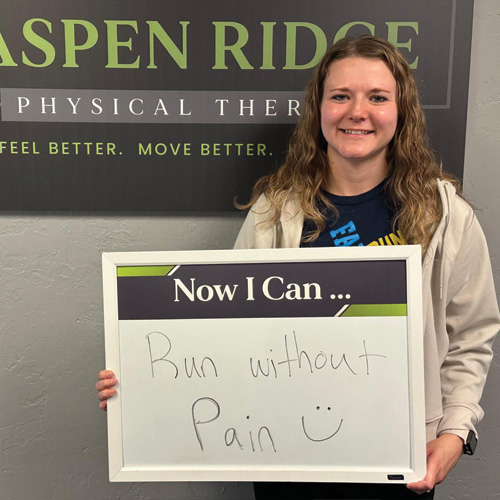
Your journey to recovery is important to us, and we’re proud to have been a part of it! If Aspen Ridge Physical Therapy has helped you feel stronger, move better, or get back to doing what you love, we’d be honored if you shared your experience in a Google review. Your story could encourage someone else to take the first step toward healing!
Our Patients Get Great Results
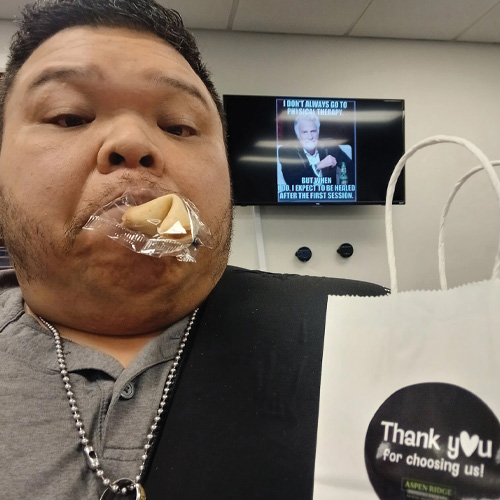
“Great people, great music, and great staff. You get PT fortune cookies on your last day. I’ll be back next time I get hurt from skateboarding.”
-David