
Have you been told your persistent lower back pain is really sciatica? Did you know specific signs and symptoms can clarify what condition you’re dealing with? Far too often, these terms are used interchangeably or, worse yet, inaccurately. Fortunately, at Aspen Ridge Physical Therapy, our skilled physical therapists can clear it up for you and set you on the right path to relief!
Back pain and sciatica can be confusing and even intimidating, especially when you’re not sure what’s causing your discomfort. Whether from a car accident, lifting something heavy, or seemingly out of nowhere, both back pain and sciatica seem to have similar causes and even share some symptoms.
That’s where physical therapy comes in. Physical therapy is highly effective for both conditions. It helps reduce pain, improves mobility, and, most importantly, tackles the underlying issues to prevent future discomfort. With a tailored treatment plan, you can get back to doing what you love, pain-free.
Understanding the Difference Between Back Pain and Sciatica
Back pain and sciatica are sometimes used interchangeably, but they’re not the same. Lower back pain is generally localized, affecting the lumbar region of the spine. It can arise from muscle strains, herniated discs, or prolonged poor posture.
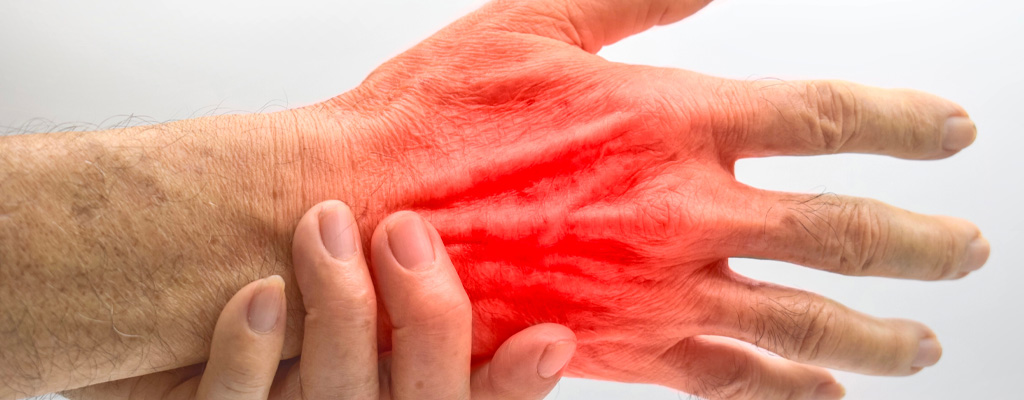
Sciatica, on the other hand, is more specific and involves pain that travels along the sciatic nerve. This nerve starts in the lower back and runs through the hips and buttocks down to each leg. The pain you feel could be shooting, burning, or even tingling, and it usually affects just one side of your body. To be a “true” sciatica,” nerve symptoms must be felt in the leg (specifically below the knee).
Common Causes of Back Pain and Sciatica
- Lower Back Pain: In most cases, lower back pain is caused by factors such as muscle strain, herniated discs, degenerative disc disease, arthritis, and other conditions.
- Sciatica: Most commonly caused by a herniated disc, bone spur where the nerve exits the spine, or narrowing of the spine (spinal stenosis) compressing part of the nerve.
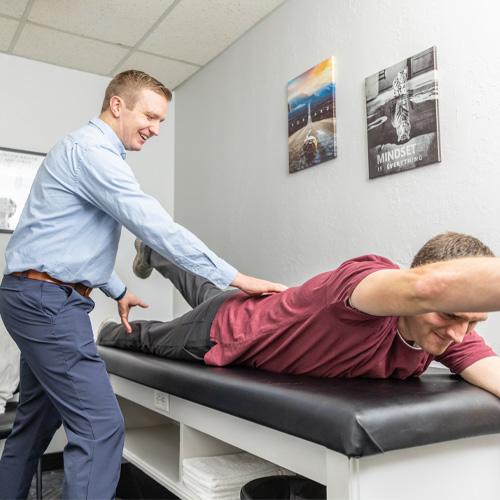
Classic Symptoms of Back Pain and Sciatica
- Lower Back Pain: May include stiffness, muscle spasms, and difficulty in moving.
- Sciatica: Must consist of symptoms along the nerve root in the leg and typically include numbness, tingling, or muscle weakness in the affected leg or foot, in addition to pain.
It’s crucial to know the difference between the two because the treatment approaches differ. For example, sciatica might require attention to nerve compression issues, while lower back pain could be more muscle-related.
So, if you’re tired of enduring persistent pain, take action and call to schedule an appointment with our spine experts. Let us help you understand your condition and guide you toward effective relief.
Our Approach to Assessment and Treatment at Aspen Ridge Physical Therapy
If you are experiencing back pain or sciatica, it’s time to take action. Working with our experienced therapists can help you understand what you are dealing with and, most importantly, how to resolve it once and for all!
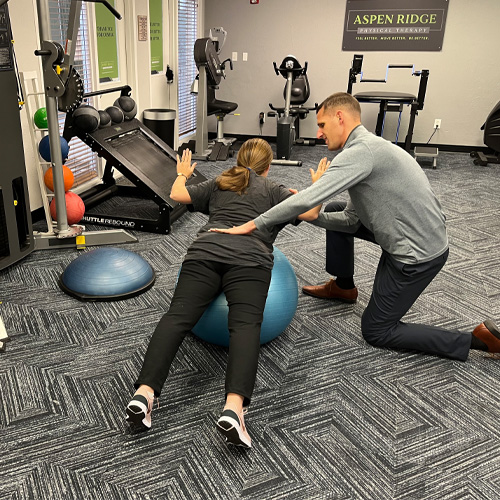
Whether you come to our clinic with lower back pain or sciatica, we will perform a thorough physical examination and medical history to provide you with solutions that work based on the findings.
Education:
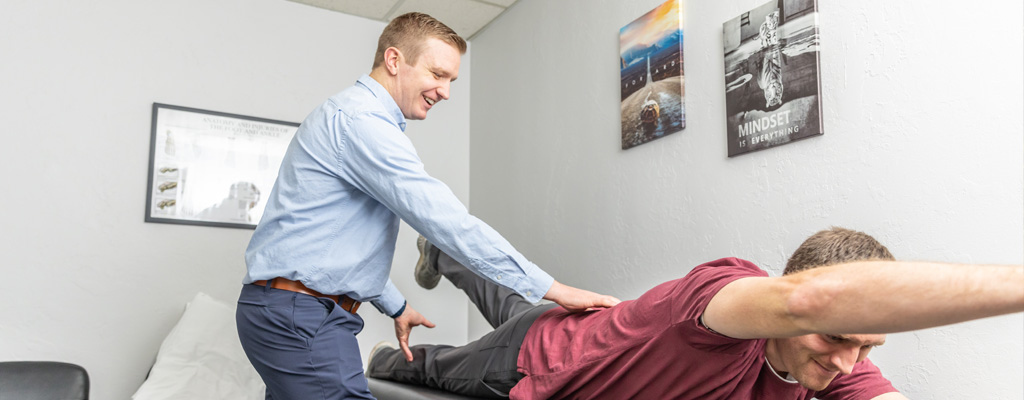
Manual Therapy:
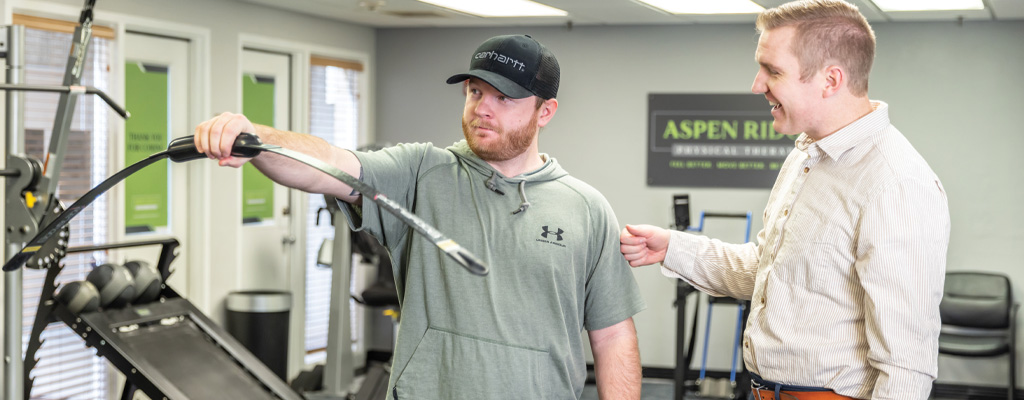
Targeted Exercises:
We Are Here For You!
Your well-being is our top priority. At Aspen Ridge Physical Therapy, we offer a proven approach to back pain and sciatica. Don’t let pain hold you back any longer. Call today and take the first step toward a pain-free life.

Your Success Is Our Priority!
Return to Aspen Ridge Physical Therapy and Let’s Continue Your Journey to Wellness Together. Schedule Your Appointment Now!
Exercise of the Month
SEATED SCIATIC NERVE TENSIONER
Sit in a chair with one foot flat on the ground and the foot on the side you want to work flexed with your toes pointing towards your face. Lift one lower leg by lightly contracting the upper thigh while simultaneously lowering your head, slowly tucking your chin towards your chest and exhaling. Slowly return to start.
3 Sets, 10 Reps. (Materials needed: chair)

Fresh, flavorful, and light, this Mediterranean Chicken Salad is the perfect springtime meal that makes healthy eating feel effortless. Packed with bright ingredients and satisfying protein, it’s ideal for enjoying warmer days and staying energized.
Enjoy This Healthy Recipe!
Mediterranean Chicken Salad
- 1 cup lemon juice
- 2 tbsp snipped fresh mint
- 2 tbsp snipped fresh basil
- 2 tbsp olive oil
- 1 tbsp honey
- ¼ tsp black pepper
- 5 cups shredded romaine lettuce
- 2 cups cut-up cooked chicken breast
- 2 plum tomatoes, cut into wedges
- 1 (15 oz) can garbanzo beans
- 2 tbsp pitted Kalamata olives
- 2 tbsp crumbled reduced-fat feta cheese
- 6 Whole kalamata olives
In a screw-top jar, combine lemon juice, mint, basil, olive oil, honey, and black pepper to make dressing. Cover and shake well. Place lettuce on a large platter. Top with chicken, tomatoes, garbanzo beans, the quartered olives (if using), and feta cheese. Drizzle with dressing. If desired, garnish individual servings with whole olives.
Follow Us on Social Media!


5 Health Benefits of Spring Cleaning!
- Allergy Symptom Reduction. A thorough cleaning can greatly reduce the amount of dust in your home, which is helpful considering dust mite allergies are the number one cause of bronchial asthma in the world. About 2.3 million Americans have been diagnosed with asthma. A 2014 study found that cleaning and decluttering your home can help you avoid allergy symptoms and make you feel healthier.
- Cleanliness Produces Happiness. Maybe you don’t enjoy the process of cleaning, but the end result will leave you smiling. A 2010 study found that having a clean home can improve your mood and reduce your risk of depression. Studies also show that doing housework for 20 minutes can reduce stress and anxiety by up to 20 percent.
- Better Heart Health. If you’re looking for an easy way to support your heart health, just 30 minutes per day of light exercise (including low-intensity physical activities like household chores, vacuuming, mopping, and scrubbing floors) can decrease your risk of heart disease by 24 percent.
- Declutter and Do a Good Deed by Donating. An essential part of a successful spring cleaning is getting rid of old items that are no longer used or worn. Apply the rule of thumb that if you haven’t made use of something in a year, it’s time for it to go. Fill bags and boxes of things, then donate them to a local charity so they can still be beneficial to someone else. Giving to others is an act that is associated with greater self-esteem, lower stress levels, and overall happiness.
- Get a Better Night’s Sleep. Do you have trouble sleeping at night? In a recent poll, it was found that people who make their beds are 19 percent more likely to sleep well on a regular basis. Clean sheets with a fresh scent impacted 75 percent of those individuals polled. See what a difference spring cleaning can make by cleaning the clutter from your room and sleeping on some fresh sheets.
April Word Scramble
olofs
rwhesso
sutpli
aiprodsnr
tlaeacprilr
angrde
Answer Key
fools
showers
tulips
raindrops
caterpillar
garden
Share Your Success Story
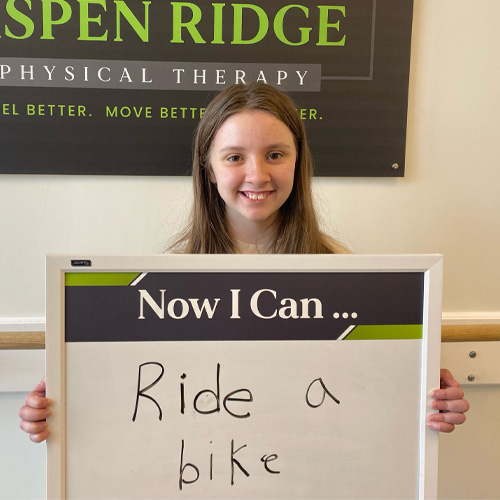
Your journey to recovery is important to us, and we’re proud to have been a part of it! If Aspen Ridge Physical Therapy has helped you feel stronger, move better, or get back to doing what you love, we’d be honored if you shared your experience in a Google review. Your story could encourage someone else to take the first step toward healing!
Our Patients Get Great Results
“The whole group at Aspen is always very welcoming and knowledgeable. They make PT fun and are every single client’s biggest cheerleader. I’m glad I chose this facility to help me push through after my full knee surgery. They have made a positive difference in helping with my recovery.”
-S.C.