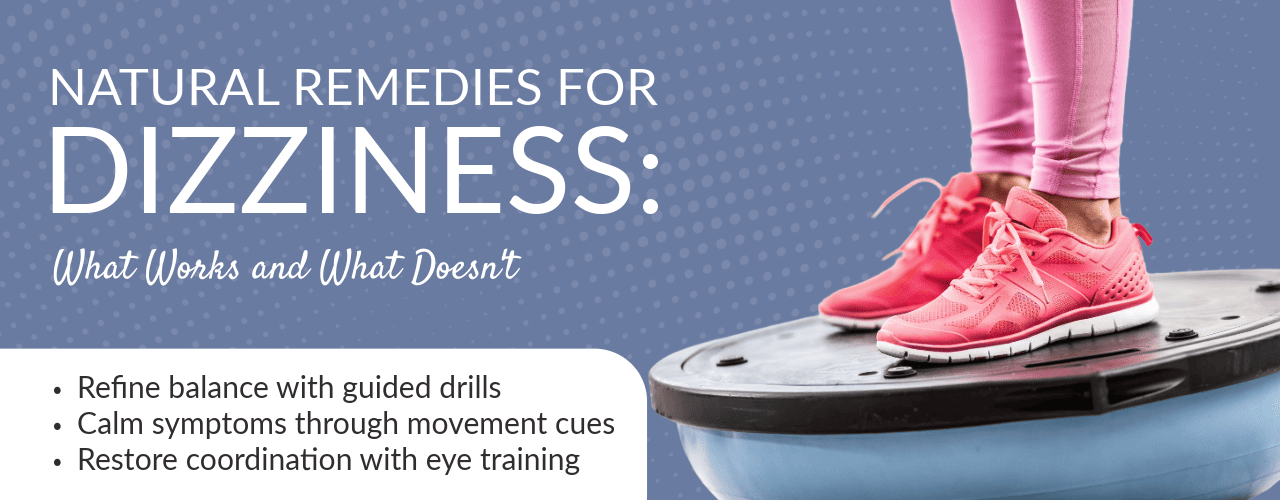

Meet Susan (not her real name), a vibrant retiree who loved spending her days exploring nature trails and participating in community dance classes. However, Susan recently noticed a concerning trend—she was experiencing more frequent episodes of instability and near falls during her activities. These balance issues posed a risk to her safety and threatened to limit her enjoyment of life’s simple pleasures. Determined to regain her confidence and stability, Susan turned to physical therapy and sought balance tips for seniors to help improve her coordination and prevent falls.
Ready to get started with physical therapy for managing balance issues? Call our team at Aspen Ridge Physical Therapy in Layton, UT, and Syracuse, UT today to learn more!
Understanding Balance Issues in Seniors: Exploring the Causes
For many seniors, maintaining balance can become increasingly challenging as they age. Balance issues, clinically referred to as vestibular dysfunction or postural instability, can stem from various factors.
Symptoms and Causes
Vertigo and Dizziness
- Seniors may experience spinning, swaying, or lightheadedness, often triggered by changes in position or movement. These symptoms can be disorienting and increase the risk of falls.
Muscle Weakness and Loss of Coordination
- Age-related declines in muscle strength and coordination can affect an individual’s ability to maintain stability and react appropriately to balance challenges.
Vision Changes
- Impaired vision due to conditions, including cataracts, macular degeneration, or glaucoma can disrupt depth perception and spatial awareness, contributing to balance difficulties.
Inner Ear Disorders
- Conditions affecting the vestibular system, such as Meniere’s disease or benign paroxysmal positional vertigo (BPPV), can disrupt sensory input related to balance and equilibrium.
Neurological Conditions
- Diseases like Parkinson’s disease, multiple sclerosis, or stroke can impair the brain’s ability to coordinate movement and maintain postural control, leading to balance disturbances.
Understanding the signs and causes of balance issues is crucial for seniors to seek appropriate evaluation and treatment. By addressing these underlying factors, individuals like Susan can regain stability, confidence, and independence in their daily activities.
How Physical Therapy Can Help You with Balance Difficulty
Physical therapy offers a comprehensive approach to addressing balance difficulty in seniors, focusing on improving strength, coordination, and proprioception to reduce the risk of falls and enhance overall quality of life.
Susan’s Return to Balance: What to Expect
Comprehensive Assessment
- Susan began her journey with a thorough assessment from our expert physical therapists, who identified specific areas of weakness, imbalance, and mobility limitations affecting her stability.
Individualized Treatment Plans
- Based on the results of Susan’s assessment, we developed a personalized treatment plan tailored to her unique needs and goals, focusing on the areas that required the most attention.
Exercise and Rehabilitation
- Susan’s treatment included targeted exercises and rehabilitation techniques that helped improve her strength, flexibility, and balance control. These efforts enhanced her stability and reduced her risk of falls.
Balance Training
- Specialized balance training exercises were integral to Susan’s program, challenging her vestibular and proprioceptive systems to improve her postural stability and dynamic equilibrium.
Environmental Modifications
- Our team recommended home modifications and assistive devices. These adjustments helped create a safer living environment and reduce potential fall hazards.
Balance Tips for Seniors: Navigating Toward Independence
If you or a loved one is experiencing symptoms of balance difficulty, call our team at Aspen Ridge Physical Therapy in Layton, UT, and Syracuse, UT to learn more balance tips for seniors and discover how physical therapy can help you stay steady on your feet.