
Feeling dizzy can be unsettling and disruptive. For many people, the first instinct is to search for quick, natural fixes. While some approaches can help, others may delay real recovery. If you are looking into natural remedies for dizziness, it is important to know what is supported by evidence and what is based on myths or outdated beliefs. This blog breaks down the facts so you can make informed decisions about your health.
Understanding Dizziness and Its Causes
Dizziness is a general term that describes feelings of unsteadiness, lightheadedness, or spinning (also called vertigo). It can stem from inner ear problems, neck dysfunction, blood pressure fluctuations, or neurological issues. Identifying the cause is essential for effective treatment. In many cases, physical therapy can help address the underlying issue and restore balance.
Introducing the Myths About Natural Remedies
There is a lot of advice about natural remedies for dizziness floating around. Some tips have merit, but many are based on anecdotal success or incomplete information. Here are some of the most common myths, along with the facts to help you choose safe and effective solutions.
Myth #1: Drinking more water cures all dizziness
Fact: While dehydration can cause dizziness, not all dizziness is related to fluid levels. Drinking more water helps if low hydration is the issue, but it will not correct problems like inner ear dysfunction or cervical vertigo. A physical therapist at Aspen Ridge Physical Therapy can help determine whether your dizziness has a mechanical cause that requires specific treatment.
Myth #2: Lying down is always the best solution
Fact: Resting may help during a sudden dizzy spell, but lying down every time you feel dizzy can limit your activity and delay recovery. In cases like vestibular hypofunction or BPPV (benign paroxysmal positional vertigo), targeted movements and exercises are more effective. At Aspen Ridge Physical Therapy, physical therapists guide patients through exercises that retrain balance and reduce symptoms over time.
Myth #3: Ginger is a guaranteed cure for dizziness
Fact: Ginger has been shown to help with nausea, which sometimes accompanies dizziness, but it does not resolve the root cause of most balance problems. Taking ginger supplements or tea may ease side effects, but vestibular rehabilitation and physical therapy offer a more lasting solution.
Myth #4: You should avoid all movement
Fact: Many people assume that staying still will keep symptoms from getting worse. In fact, the opposite is true for many vestibular conditions. Movement helps the brain adapt to imbalance and speeds up recovery. Physical therapy exercises, when done under professional guidance, are safe and effective in promoting stability.
Myth #5: Essential oils can restore balance
Fact: Scents like peppermint or lavender may promote relaxation, but they do not directly influence balance systems or inner ear function. Relying on essential oils as the main treatment for dizziness may delay necessary care. At Aspen Ridge Physical Therapy, we use evidence-based physical therapy strategies to restore vestibular function and improve coordination.
Natural Remedies for Dizziness: What Actually Helps in Physical Therapy
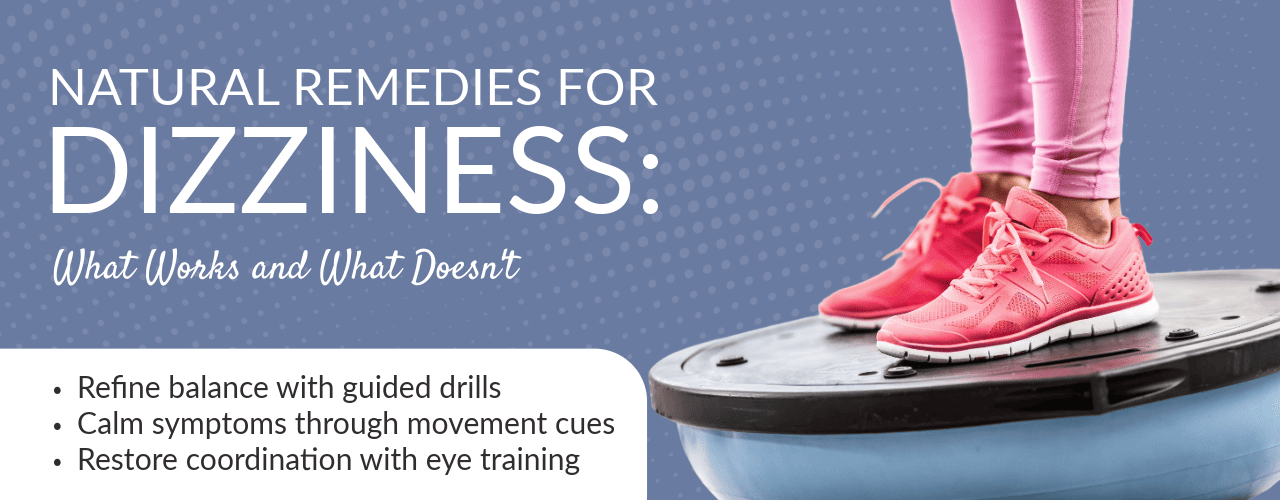
If you are considering natural remedies for dizziness, it is important to know that physical therapy offers non-invasive, movement-based treatment options that support the body’s natural ability to adapt. Therapists at Aspen Ridge Physical Therapy use balance training, head and eye coordination exercises, and positional maneuvers tailored to your specific condition. These techniques help retrain your system without medication or surgery.
The Bottom Line: Choose What Works
It is understandable to want to find natural and gentle ways to feel better. The key is to make sure those choices are also supported by science. For many patients, dizziness responds well to active and personalized physical therapy interventions. Some home remedies may ease mild symptoms but often fall short of addressing the real problem.
Get Real Results with Aspen Ridge Physical Therapy
If dizziness has been interfering with your life, you do not have to navigate it alone. At Aspen Ridge Physical Therapy, our team uses proven techniques to reduce symptoms and restore balance. We help you understand what your body needs and create a plan that works with your goals and lifestyle. Let us help you move forward with confidence.
Contact Aspen Ridge Physical Therapy today to schedule a personalized evaluation and begin your path to steady, reliable relief.





Leave a Reply